
Immersed in Tea Culture China A Quiet Moment in Chaos
- Date:
- Views:220
- Source:The Silk Road Echo
Ever felt like the world’s spinning too fast? Phones buzzing, emails piling up, life on overdrive? Yeah, we’ve all been there. But what if I told you there’s a quiet rebellion happening in the heart of China—one cup of tea at a time?
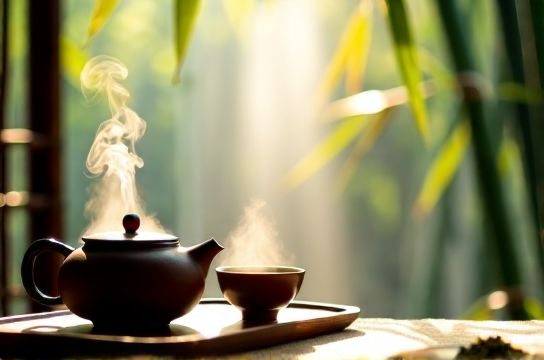
Welcome to Tea Culture China, where ancient rituals meet modern mindfulness. This isn’t just about sipping a warm drink—it’s a full sensory escape rooted in thousands of years of tradition.
The Art of Slow Living Through Tea
In bustling cities like Hangzhou and Chengdu, locals are reclaiming peace with the gongfu cha ceremony—a meticulous tea-brewing practice that turns preparation into meditation. It’s not about speed; it’s about presence. Each step—from warming the clay teapot to the third steeping—invites you to breathe, observe, and connect.
Did you know? Over 5 million tons of tea are produced in China annually, accounting for nearly 40% of global output (FAO, 2023). But beyond numbers, it’s the philosophy that captivates: tea as a bridge between nature, people, and inner calm.
Top 5 Must-Try Chinese Teas
Not sure where to start? Here’s your cheat sheet to the most iconic brews:
| Tea Type | Region | Caffeine Level | Tasting Notes | Average Price (per 50g) |
|---|---|---|---|---|
| Longjing (Dragon Well) | Zhejiang | Medium | Grassy, nutty, smooth | $12–$20 |
| Dahongpao (Big Red Robe) | Fujian | High | Toasted, floral, mineral | $25–$50 |
| Baihao Yinzhen (Silver Needle) | Fujian | Low | Sweet, delicate, honey-like | $30–$60 |
| Pu’er (Aged) | Yunnan | Medium-High | Earthy, woody, complex | $15–$100+ |
| Tieguanyin (Iron Goddess) | Fujian | Medium | Floral, creamy, aromatic | $18–$40 |
Pro tip: For the real deal, skip the tourist traps. Head to family-run plantations or join a tea tour in Huangshan or Wuyi Mountains. You’ll taste the terroir—and maybe even harvest leaves yourself!
Why Tea Culture Is the Ultimate Anti-Stress Hack
Science backs the serenity. Studies show that L-theanine, an amino acid in green tea, boosts alpha brain waves—linked to relaxed alertness. Pair that with mindful brewing, and you’ve got a natural anxiety balm.
In a 2022 survey by the China Tea Association, 78% of urban millennials said regular tea drinking improved their mental clarity and reduced stress. That’s not coincidence—that’s culture as therapy.
Bringing the Calm Home
You don’t need a bamboo forest or silk robes to enjoy this. Start simple: get a glass gaiwan, source some loose-leaf Longjing, and dedicate 10 minutes a day to brewing with intention. No phones. No distractions. Just steam, scent, and stillness.
As the Chinese saying goes: "One sip for joy, two for contentment, three for the soul." In a chaotic world, tea isn’t just a drink—it’s resistance. And honestly? We could all use a little more of that quiet rebellion.