
Immerse in Tea Culture China and Traditional Lifestyle
- Date:
- Views:251
- Source:The Silk Road Echo
Want to truly experience tea culture China like a local? Forget the tourist traps—this is your backstage pass to sipping, smelling, and soaking up centuries of tradition. From misty mountain plantations to quiet courtyard teahouses, China’s tea culture isn’t just about drinking—it’s a lifestyle.
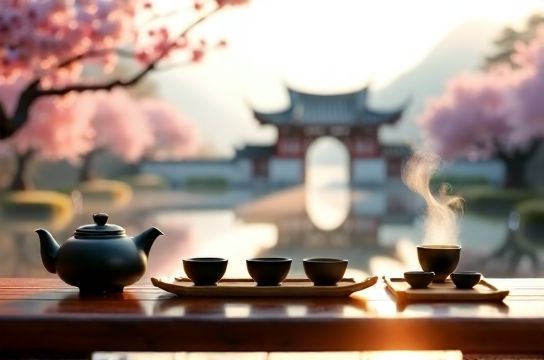
Why Tea Is More Than Just a Drink in China
In China, tea isn’t rushed. It’s ritual. It’s respect. It’s relationship. With over 5,000 years of history, tea has shaped dynasties, inspired poets, and brought families together. Today, China produces over 3 million tons of tea annually—nearly 40% of the world’s total (FAO, 2023). But numbers don’t tell the whole story. Let’s dive deeper.
The Big 6: Types of Chinese Tea
Chinese tea falls into six main categories. Each varies in oxidation, aroma, and brewing style. Here’s a quick guide:
| Type | Oxidation Level | Flavor Profile | Famous Example | Best Brew Temp |
|---|---|---|---|---|
| Green Tea | Unoxidized | Grassy, fresh | Longjing (Dragon Well) | 75–80°C |
| Oolong Tea | Partial (10–70%) | Floral, fruity | Tieguanyin | 90–95°C |
| Black Tea (Red Tea) | Fully oxidized | Malty, bold | Keemun | 95–100°C |
| White Tea | Minimal processing | Delicate, sweet | Silver Needle | 80–85°C |
| Pu-erh Tea | Fermented & aged | Earthy, rich | Raw or Ripe Pu-erh | 95–100°C |
| Yellow Tea | Lightly oxidized | Smooth, mellow | Huangshan Mao Feng | 80–85°C |
Where to Experience Authentic Tea Culture
- Hangzhou, Zhejiang: Home of Longjing tea. Visit Meijiawu Village for plantation tours and leaf-picking in spring.
- Anxi, Fujian: The heartland of Tieguanyin oolong. Join a master-led tea ceremony under bamboo groves.
- Yunnan Province: Birthplace of Pu-erh. Trek through ancient tea forests with the Dai people.
- Chengdu, Sichuan: Sip tea at Heming Teahouse while watching face-changing opera.
Brew Like a Pro: Gongfu Cha Style
If you want the full sensory experience, try gongfu cha—the ‘skillful tea’ method. This traditional brewing style uses small clay pots (Yixing), tiny cups, and multiple short steeps to unlock layers of flavor.
Here’s how it works:
- Rinse leaves with hot water (awakens aroma).
- First steep: 10–15 seconds.
- Gradually increase time with each infusion (up to 8+ rounds).
- Savor the evolving taste—from floral to nutty to deep and woody.
Pro tip: Use spring water. Tap water can ruin delicate notes.
Tea Etiquette You Should Know
Respect the ritual. A few simple gestures go a long way:
- Clasping fingers on the table? That’s the “thank you” tap—a Qing Dynasty legend says Emperor Qianlong did this incognito to avoid revealing his identity!
- Never fill a cup to the brim—80% is polite.
- Always serve others before yourself.
Final Sip: Why This Tradition Still Matters
In our fast-paced world, Chinese tea culture offers a moment of calm. It’s mindfulness before mindfulness was trendy. Whether you're tasting rare Silver Needle or sharing pu-erh with new friends, you’re not just drinking tea—you’re living history.
So next time you visit China, skip the coffee. Go local. Go slow. And let the tea tell you its story.