
Immersing in Tea Culture China's Daily Ritual
- Date:
- Views:254
- Source:The Silk Road Echo
If you've ever sipped a warm, fragrant cup of oolong while overlooking misty Fujian hills, or watched an elderly vendor in Beijing brew cha with ritualistic precision, you’ve touched the soul of Chinese tea culture. More than just a drink, tea in China is a daily meditation, a social bridge, and a living heritage.
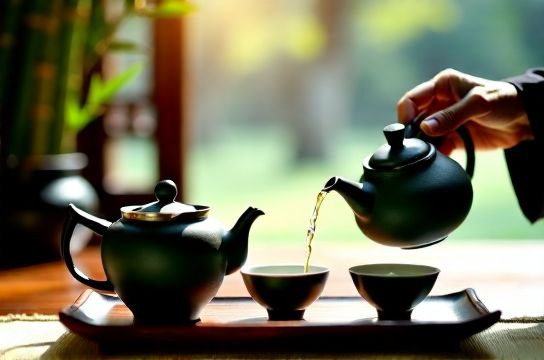
Tea isn’t rushed here—it’s revered. Over 1.3 billion cups are consumed daily across China, making it the world’s largest tea-drinking nation. From bustling metropolises to remote mountain villages, tea flows through daily life like a quiet river of calm.
The Heart of the Habit: Why Tea?
Ask any local why they drink tea, and you’ll hear: “It clears the mind, warms the heart.” Scientifically speaking, tea—especially green and oolong—is packed with antioxidants and L-theanine, which promotes relaxation without drowsiness. But beyond health, tea symbolizes harmony, respect, and mindfulness.
In homes, offices, and teahouses alike, brewing tea is a gesture of hospitality. A properly poured cup says, I see you, I honor you.
Tea Types & Regional Flavors
China produces over 1,000 varieties of tea, but six main categories dominate:
| Type | Region | Caffeine Level | Flavor Profile |
|---|---|---|---|
| Green (e.g., Longjing) | Zhejiang | Medium | Grassy, fresh, vegetal |
| Oolong (e.g., Tieguanyin) | Fujian | Medium-High | Floral, creamy, complex |
| Black (e.g., Keemun) | Anhui | High | Rich, malty, smoky |
| White (e.g., Bai Hao Yinzhen) | Fujian | Low | Delicate, sweet, subtle |
| Pu-erh (Fermented) | Yunnan | Medium | Earthy, woody, bold |
| Yellow (e.g., Junshan Yinzhen) | Hunan | Low-Medium | Smooth, mellow, slightly sweet |
Brew Like a Local: The Gongfu Cha Way
Want to go deep? Try Gongfu Cha—the ‘kung fu of tea.’ This method uses small clay pots (like Yixing) and multiple short steeps to unlock layers of flavor.
- Water Temp: 80°C for green, 95°C+ for black/oolong
- Steep Time: 15–30 seconds per infusion (up to 10 rounds!)
- Vessel: Gaiwan or Yixing pot
Each steep reveals something new—first floral, then nutty, finally deep and honeyed. It’s tea as performance art.
Tea in Modern China: Tradition Meets Trend
While elders sip loose leaf from thermoses, Gen Z is queuing for bubble tea. Yet even here, tradition sneaks in. Brands like Heytea and Chagee use premium oolong and jasmine bases, blending old craftsmanship with Instagrammable flair.
In 2023, China’s tea market hit $30 billion in revenue, with specialty tea shops growing by 12% year-on-year. Heritage isn’t dying—it’s evolving.
How to Experience It
- Visit a traditional chayuan (teahouse) in Hangzhou or Chengdu
- Join a tea ceremony workshop in Suzhou’s classical gardens
- Buy directly from farmers in Wuyi Mountain or Pu’er
Bring home more than leaves—bring home presence.
So next time you pour a cup, don’t just drink. Breathe. Notice the steam, the color, the silence between sips. That’s where China’s tea ritual truly lives—not in the leaf, but in the moment.