
Immersing in Tea Culture China A Local Lifestyle Journey
- Date:
- Views:199
- Source:The Silk Road Echo
Ever wondered why a simple cup of tea in China feels like a spiritual experience? It’s not just about the leaves—it’s about centuries of tradition, rhythm of daily life, and a deep connection to nature. Welcome to tea culture in China, where every sip tells a story.
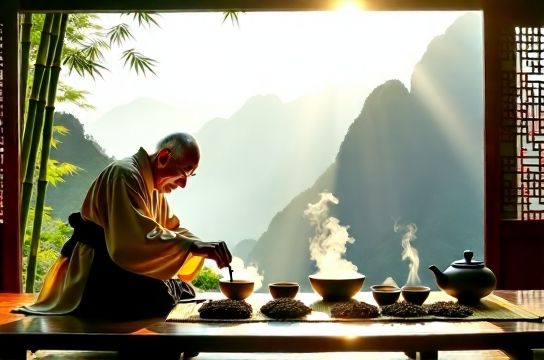
From misty mountain plantations to bustling city teahouses, tea isn’t just a drink—it’s a lifestyle. Over 8 million tons of tea are produced in China annually, making it the world’s largest tea producer and consumer. Whether you're sipping delicate Longjing in Hangzhou or bold Pu-erh in Yunnan, each region offers a unique flavor profile and cultural ritual.
The Heart of Chinese Tea Culture
Tea in China dates back over 5,000 years. Legend says Emperor Shen Nong discovered tea when leaves blew into his boiling water. Today, tea is embedded in social customs, family gatherings, and even business negotiations.
There are six main types of Chinese tea, classified by oxidation level and processing method:
| Tea Type | Oxidation Level | Famous Example | Caffeine (mg/cup) |
|---|---|---|---|
| Green Tea | Unoxidized | Longjing (Dragon Well) | 20–35 |
| White Tea | Slight Oxidation | Bai Hao Yinzhen | 15–30 |
| Yellow Tea | Lightly Oxidized | Junshan Yinzhen | 20–35 |
| Oolong Tea | Partially Oxidized | Da Hong Pao | 30–50 |
| Black Tea (Red Tea) | Fully Oxidized | Keemun | 40–60 |
| Dark Tea (Pu-erh) | Post-fermented | Aged Pu-erh | 50–70 |
Where to Experience Authentic Tea Culture
If you really want to live the tea culture, skip the tourist traps and head to local hotspots:
- Hangzhou, Zhejiang – Home of Longjing tea. Visit Meijiawu Village for fresh picking and traditional brewing.
- Anxi, Fujian – The birthplace of Tieguanyin oolong. Join a tea master class and learn gongfu cha (Kung Fu tea ceremony).
- Xishuangbanna, Yunnan – Ancient tea trees over 1,000 years old. Taste raw Pu-erh straight from the source.
In cities like Chengdu, locals spend hours at teahouses playing mahjong or chatting. A typical cup costs as little as ¥5–10 ($0.70–$1.40), making it one of the most accessible cultural experiences in China.
Brew Like a Local: Tips for Travelers
You don’t need fancy gear—just patience and respect. Here’s how to brew like a pro:
- Use fresh, filtered water. Never boil green tea—80°C (176°F) is ideal.
- Rinse the leaves first with a quick pour to awaken flavors.
- Start with small amounts (3–5g) and steep multiple times. Oolong and Pu-erh can go 5+ infusions!
Pro tip: Say “Yīcì qǐng” (Once more, please) to signal you’d like another round—locals will appreciate the effort.
Tea in China isn’t just about taste—it’s mindfulness in liquid form. So next time you’re there, slow down, breathe in the aroma, and let the tea guide your journey.