
Immersing in Tea Culture China Tradition and Rituals
- Date:
- Views:200
- Source:The Silk Road Echo
Ever poured yourself a cup of tea and thought, “Wait—there’s actually an art to this?” If you’re nodding right now, welcome to the mesmerizing world of Chinese tea culture. It’s not just about sipping a warm drink; it’s a centuries-old ritual that blends philosophy, elegance, and sensory delight into every steep.
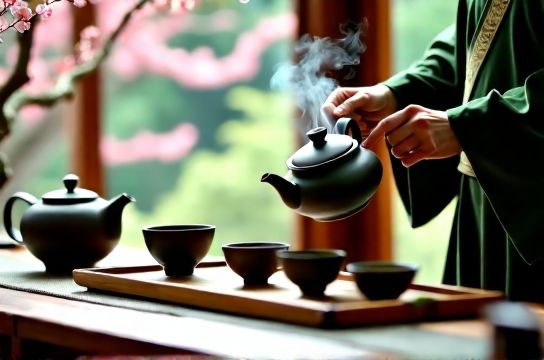
China is the birthplace of tea, with records dating back to 2737 BCE when Emperor Shen Nong allegedly discovered it by accident. Fast forward thousands of years, and tea isn’t just a beverage here—it’s a lifestyle. From bustling teahouses in Chengdu to quiet morning ceremonies in Hangzhou, tea connects people, places, and moments.
The Big Five: Major Chinese Tea Types
Chinese tea isn’t one-size-fits-all. There are six main categories, but let’s spotlight the top five most celebrated ones:
| Tea Type | Oxidation Level | Caffeine (mg/cup) | Famous Example | Brew Temp (°C) |
|---|---|---|---|---|
| Green Tea | Unoxidized | 20-35 | Longjing (Dragon Well) | 75-80 |
| Oolong Tea | Semi-oxidized (15%-70%) | 30-50 | Tieguanyin | 85-95 |
| Black Tea (Red Tea in China) | Fully oxidized | 40-60 | Keemun | 95-100 |
| White Tea | Minimally processed | 15-30 | Silver Needle | 80-85 |
| Pu-erh Tea | Fermented & aged | 30-70 | Ripened Pu-erh | 95-100 |
Pro tip? Water temperature matters! Boiling water can scald delicate green teas, while oolongs need that near-boil heat to unlock their floral complexity.
The Gongfu Cha Experience
If regular tea brewing is a casual chat, Gongfu Cha is a deep, soulful conversation. This traditional method, meaning “work with tea,” uses small clay Yixing teapots and multiple short steeps (10-30 seconds). Each infusion reveals new layers—like a tea tasting menu for your taste buds.
Why do enthusiasts swear by it? Because it maximizes flavor, aroma, and even the emotional journey of drinking tea. A single session can include 8+ infusions, each subtly different. It’s mindfulness in liquid form.
Tea Etiquette: Sip Like a Local
- Never fill the cup fully—three-quarters is polite.
- Tap two fingers on the table to silently thank someone who pours your tea (legend says Emperor Qianlong started this to avoid bowing in public).
- Smell the lid before sipping if using covered bowls—it’s part of the ritual.
And hey, don’t rush. In China, tea time is sacred downtime. Whether it’s business negotiations over Longjing or family chats with jasmine tea, the pace is slow, intentional, and deeply human.
Final Steep: Why It All Matters
In our fast-scrolling, instant-gratification world, Chinese tea culture reminds us to pause, appreciate, and connect. It’s more than tradition—it’s therapy in a teacup.
So next time you brew, ask yourself: Am I just making tea, or am I creating a moment? That’s where the real magic begins.