
Tea Culture China Unveiled in Everyday Urban Living
- Date:
- Views:305
- Source:The Silk Road Echo
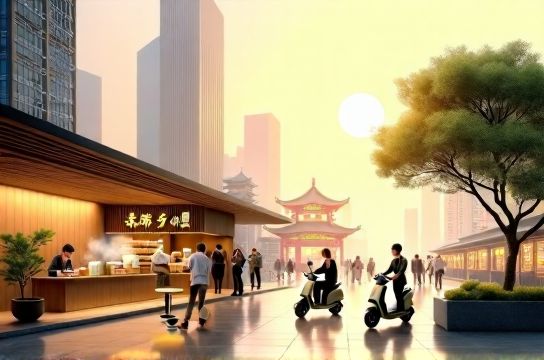
Forget everything you thought you knew about tea in China — it’s not just a drink, it’s a rhythm of life. From the bustling streets of Shanghai to quiet corners of Chengdu teahouses, tea culture in China isn’t stuck in ancient temples; it’s alive, modern, and deeply woven into urban living.
The Daily Grind? Make It a Tea Grind
In cities like Beijing and Guangzhou, office workers don’t reach for coffee — they reach for oolong. A 2023 survey by China Tea Marketing Association revealed that over 68% of urban professionals start their day with tea instead of coffee. Why? Because tea doesn’t just wake you up — it centers you.
Take Lin Jie, a 32-year-old designer in Hangzhou: “I keep a gaiwan on my desk. Five minutes of brewing Tieguanyin between meetings clears my mind better than any espresso.”
Teahouses vs. Bubble Tea Shops: The Great Divide
Sure, boba shops are everywhere (and delicious), but traditional teahouses are having a renaissance. In Chengdu alone, there are over 3,000 teahouses — more than Starbucks outlets in the entire country. And unlike fast-paced franchises, these spaces encourage slow living.
Check this out:
| Venue Type | Avg. Visit Duration | Avg. Spend (CNY) | Primary Age Group |
|---|---|---|---|
| Traditional Teahouse | 92 minutes | 35 | 45–60 |
| Bubble Tea Shop | 18 minutes | 22 | 18–30 |
See the difference? One’s about experience, the other about convenience.
Tea at Work, Tea at Play, Tea at Peace
In Shenzhen’s tech parks, companies like Huawei and Tencent offer ‘tea breaks’ instead of coffee stations. Employees brew green tea, white tea, even chrysanthemum blends — all proven to reduce stress and improve focus. According to a Peking University study, workers who take tea breaks report 27% higher concentration levels.
And let’s talk real talk: tea is social glue. In parks across Nanjing, retirees play mahjong with pu-erh in hand. In Xiamen, young couples go on ‘tea dates’ instead of coffee runs. It’s intimate, ritualistic, and way less rushed.
Brands Bringing Tradition to the City
Modern brands are bridging old and new. Hey Tea (喜茶) and Chagee are redefining what tea means for Gen Z — premium ingredients, minimalist design, and yes, still rooted in Chinese tradition. Chagee’s 2023 launch of a roasted oolong series sold out in 48 hours across 15 cities.
Meanwhile, high-end boutiques like Tea Realm (茶里) partner with offices to deliver monthly tea subscriptions — think artisanal pouches of Longjing or aged white tea. It’s self-care, Chinese-style.
How to Live the Urban Tea Life (Even If You’re Not in China)
- Start small: Swap one coffee a day for green or oolong tea.
- Invest in a gaiwan: It’s cheaper than a French press and way more authentic.
- Brew mindfully: Use 80–85°C water for greens, and don’t rush — good tea takes 2–3 minutes.
- Join a tea club: Cities worldwide now host urban tea tastings — check Meetup or Instagram.
Tea culture in China isn’t about perfection. It’s about presence. Whether you're sipping jasmine tea on a lunch break or sharing a pot of shou pu-erh with friends, it’s a daily act of slowing down in a world that won’t.
So next time you feel overwhelmed, ask yourself: What would a Chengdu local do? Probably pour another cup — calmly, patiently, perfectly.