
Immersing in Tea Culture China Beyond the Tourist Path
- Date:
- Views:308
- Source:The Silk Road Echo
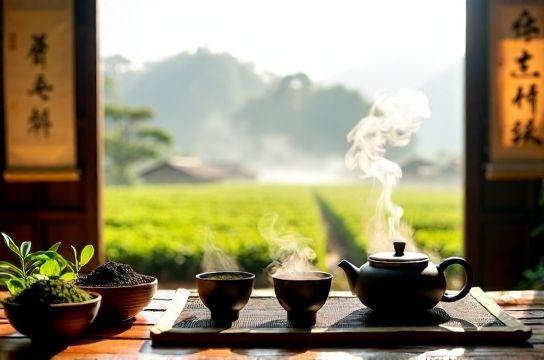
Forget the cookie-cutter tea houses near Beijing’s tourist traps—real tea culture in China lives in misty mountains, ancient villages, and the hands of farmers who’ve been growing oolong since their great-grandfathers. If you’re craving authenticity, it’s time to go beyond the postcard version and sip your way through China’s soul.
Why Most Travelers Miss the Real Tea Experience
Let’s be honest: most 'tea tours' are just photo ops with overpriced matcha lattes. The truth? Genuine tea culture is rooted in place, season, and craft—not Instagram aesthetics. Regions like Fujian, Yunnan, and Zhejiang grow some of the world’s finest teas, but few visitors make the trek beyond Hangzhou’s West Lake.
Top 3 Off-the-Beaten-Path Tea Destinations
- Anxi, Fujian – The spiritual home of Tieguanyin oolong. Farmers here still hand-pluck leaves at dawn and roast them over charcoal.
- Xishuangbanna, Yunnan – Where ancient Pu-erh trees tower over jungle trails. Some of these tea trees are over 1,000 years old.
- Longjing Village, Hangzhou (go deeper) – Skip the crowded tourist lanes; hike up to family-run plots where real Longjing (Dragon Well) green tea is pan-fried fresh.
Tea by the Numbers: What Makes Chinese Tea Unique
China produces over 3 million tons of tea annually—nearly 40% of the global supply. But quality varies wildly. Here’s a snapshot of what sets artisanal tea apart:
| Tea Type | Region | Avg. Price (USD/kg) | Harvest Window |
|---|---|---|---|
| Tieguanyin Oolong | Anxi, Fujian | 80–200 | Spring & Autumn |
| Pu-erh (Raw/Sheng) | Xishuangbanna, Yunnan | 50–500+ | March–May |
| Longjing Green | Hangzhou, Zhejiang | 120–300 | Early Spring (pre-Qingming) |
Note: Prices spike for single-origin, hand-processed batches. A 200g cake of aged Pu-erh can fetch $1,000 at auction.
How to Experience Tea Like a Local
Forget fancy ceremonies. Real tea immersion means:
- Join a harvest – In April, Anxi opens farms to volunteers. You’ll pluck leaves, learn roasting basics, and taste tea straight from the wok.
- Stay with a tea family – Homestays in Yunnan’s Bulang villages offer meals, storytelling, and private tastings under centuries-old trees.
- Brew it gongfu style – Use a tiny clay pot, multiple short steeps, and savor how flavor evolves. It’s not just drinking—it’s meditation.
Pro Tips for the Curious Traveler
- Visit between March and May for spring harvests—the freshest, most aromatic teas.
- Bring an empty suitcase. Good tea travels well if vacuum-sealed.
- Ask “这茶是自家做的吗?” (Is this tea made by your family?) to spot authentic producers.
Tea in China isn’t just a drink—it’s history, terroir, and daily ritual rolled into one steaming cup. Ditch the tour groups, follow the scent of roasted leaves, and let your taste buds lead the way.