
Tea Culture China Unveiled in Everyday Moments
- Date:
- Views:225
- Source:The Silk Road Echo
When you think of China, what comes to mind? Panda bears? The Great Wall? How about a steaming cup of fragrant tea?
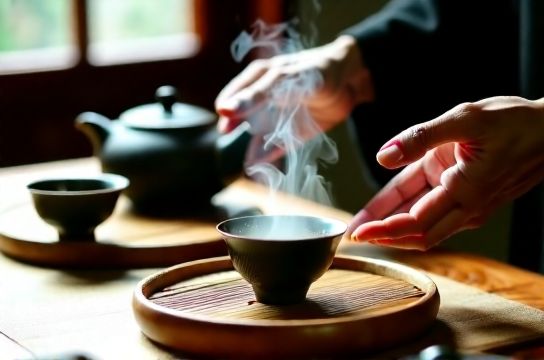
Tea isn’t just a drink in China—it’s a way of life. From bustling city streets to quiet mountain villages, tea weaves through daily routines like a warm thread connecting past and present.
Did you know that the Chinese consume over 2.5 million tons of tea annually? That’s nearly 40% of global tea production! But it’s not just about quantity—China’s tea culture runs deep, rooted in thousands of years of history, philosophy, and ritual.
The Heartbeat of Chinese Tea: More Than Just a Brew
In China, tea is more than caffeine. It’s hospitality. It’s meditation. It’s conversation. Whether you’re visiting a friend’s home or closing a business deal, a cup of tea is almost always part of the scene.
Take the traditional gongfu cha ceremony—a meticulous, almost poetic method of brewing oolong or pu-erh tea using small clay pots and tiny cups. This isn’t reserved for special occasions; many Chinese families enjoy this ritual daily.
Popular Teas & Their Regional Roots
China boasts six main tea categories, each with unique flavors, processing methods, and regional pride. Here’s a quick breakdown:
| Tea Type | Region | Caffeine Level | Flavor Profile | Avg. Price (RMB/kg) |
|---|---|---|---|---|
| Longjing (Dragon Well) | Zhejiang | Medium | Grassy, nutty, fresh | 800–3000 |
| Dahongpao (Big Red Robe) | Fujian | High | Toasted, mineral, floral | 2000–10,000+ |
| Baihao Yinzhen (Silver Needle) | Fujian | Low | Sweet, delicate, floral | 1500–5000 |
| Pu-erh (Aged) | Yunnan | Medium-High | Earthy, woody, smooth | 300–5000 |
Prices vary wildly based on harvest time, authenticity, and age—especially for pu-erh, which can increase in value like fine wine.
Tea in Daily Life: A Cultural Staple
Walk into any Chinese office, and you’ll likely see employees sipping from glass jars filled with leaves. In parks, retirees play chess with thermoses nearby. Even at weddings, serving tea to elders symbolizes respect and gratitude.
And let’s talk about tea houses. These aren’t just cafes—they’re social hubs. Some offer live calligraphy, while others host traditional music performances. In Chengdu, you can even get your eyebrows threaded while sipping jasmine tea!
How to Experience Authentic Chinese Tea Culture
- Visit a local market: Skip the tourist shops. Head to places like Hangzhou’s Meijiawu Village for direct access to tea farmers.
- Try gongfu brewing at home: All you need is a gaiwan, quality leaves, and patience. Start with Tieguanyin—it’s forgiving and aromatic.
- Attend a tea tasting: Cities like Beijing and Shanghai have modern tea studios blending tradition with innovation.
Pro tip: Always rinse your tea leaves first. It awakens the flavor and shows respect to the craft.
Final Sip
Chinese tea culture isn’t locked behind museum glass—it’s alive, evolving, and deeply personal. Whether you're a seasoned connoisseur or a curious beginner, there’s a cup waiting for you.
So next time you pour a brew, don’t just drink it—feel it. Because in every sip, there’s a story steeped in centuries of wisdom.