
Tea Culture China A Journey Through Tradition
- Date:
- Views:206
- Source:The Silk Road Echo
Ever sipped a cup of tea and felt like you’ve traveled back in time? In China, that’s not just poetic—it’s daily life. With over 4,000 years of history, Chinese tea culture isn’t just about drinking; it’s an art, a ritual, and a way to connect with nature and people.
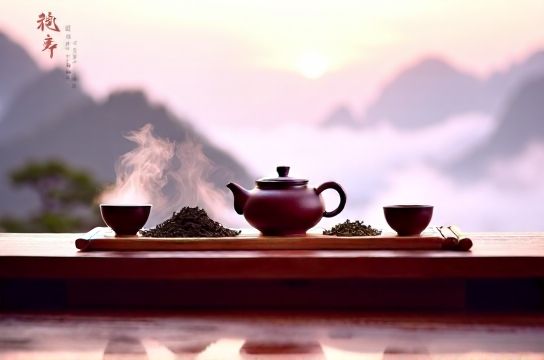
From misty mountain plantations to bustling city teahouses, tea flows through every corner of China. Did you know that China produces over 2.7 million tons of tea annually, making it the world’s largest tea producer? But beyond numbers, it’s the tradition, flavor, and philosophy that make Chinese tea unforgettable.
The Heart of the Harvest: Major Tea Types & Regions
China is home to six main tea categories, each with unique processing methods and regional pride. Here’s a quick breakdown:
| Tea Type | Region | Caffeine Level | Flavor Profile | Notable Example |
|---|---|---|---|---|
| Green Tea | Zhejiang (Longjing) | Medium | Grassy, fresh, slightly sweet | Dragon Well (Longjing) |
| Oolong | Fujian, Guangdong | Medium-High | Floral, roasted, complex | Tieguanyin, Da Hong Pao |
| Black Tea (Red Tea) | Yunnan, Anhui | High | Malty, bold, smooth | Keemun, Dianhong |
| White Tea | Fujian | Low | Delicate, sweet, floral | Silver Needle (Baihao Yinzhen) |
| Pu-erh | Yunnan | Medium | Earthy, woody, aged depth | Ripened or Raw Pu-erh |
| Yellow Tea | Hunan, Sichuan | Low-Medium | Subtle, mellow, slightly fermented | Huangshan Mao Feng |
Each region brings its terroir—altitude, climate, soil—to the leaf. For example, Longjing tea from Hangzhou is pan-fired by hand, giving it that iconic flat shape and nutty aroma. Meanwhile, Fujian’s Tieguanyin oolong undergoes partial oxidation, creating layers of orchid-like fragrance.
Beyond the Brew: The Ritual & Philosophy
Drinking tea in China isn’t rushed. It’s Gongfu Cha—the ‘skillful method’—where small clay pots, precise water temps, and multiple short steeps unlock evolving flavors. Think of it as tea theater: elegant, meditative, and deeply social.
In cities like Chengdu, teahouses are community hubs. Locals play mahjong, chat for hours, and refill their cups from giant thermoses. It’s not about caffeine—it’s about connection.
Why This Matters Today
In our fast-paced world, Chinese tea culture offers a pause. Studies show that green tea antioxidants like EGCG support heart health and mental clarity. And let’s be real—sipping a perfectly brewed cup feels like self-care with a side of history.
Whether you’re a newbie or a connoisseur, exploring Chinese tea is a journey worth taking. Start with a high-quality Longjing or a smooth Pu-erh. Pay attention to water temperature (80°C for greens, 95°C+ for blacks), steeping time (1–3 mins), and most importantly—breathe.
So next time you brew a cup, remember: you’re not just drinking tea. You’re tasting centuries of wisdom, one sip at a time.