
Experiencing Tea Culture China in Everyday Village Life
- Date:
- Views:230
- Source:The Silk Road Echo
If you've ever sipped a warm, fragrant cup of Longjing or listened to the soft rustle of tea leaves in a mountain breeze, you’ve already touched the soul of Tea Culture China. But to truly understand it? You’ve got to step off the tourist trail and into the quiet rhythm of village life.
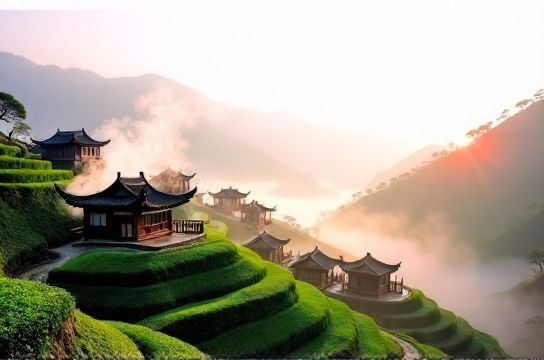
In places like Hangzhou’s Meijiawu or Anxi in Fujian, tea isn’t just a drink—it’s heritage, livelihood, and daily ritual. Imagine waking up to misty hills, where farmers hand-pluck tender tea shoots at dawn. This isn’t factory farming; it’s artistry passed down through generations.
Let’s talk numbers. Did you know that China produces over 3 million tons of tea annually, accounting for nearly 40% of global output? And about 20 million households depend on tea cultivation for their income. In rural Yunnan, entire villages revolve around Pu’er fermentation pits, where tea ages like fine wine.
The Daily Grind: A Day in a Chinese Tea Village
Morning starts early—5 AM sharp. Farmers head to terraced fields, baskets strapped to their backs. By 9 AM, the freshly picked leaves arrive at communal drying sheds. Here’s a peek into a typical small-scale tea farm’s weekly cycle:
| Day | Activity | Tea Type Focus |
|---|---|---|
| Monday | Plucking (2–4 hrs) | Green Tea |
| Tuesday | Withering & Shaking | Oolong |
| Wednesday | Fixing (Heat Treatment) | Green / White |
| Thursday | Rolling & Shaping | All Types |
| Friday | Fermenting (Pu’er only) | Dark Tea |
| Weekend | Family prep, market sales, guest tours | All |
This isn’t just farming—it’s a cultural performance. And yes, you can join in. Many villages now offer homestays where you can pluck leaves, roast tea over woks, and even brew your own batch using ancient gaiwan techniques.
Why Village Tea Tastes Different
It’s terroir, baby. Just like wine, tea absorbs the flavor of its environment. High-altitude teas from Huangshan have a crisp, floral note thanks to cool temps and rocky soil. Meanwhile, Wuyi rock teas boast a smoky depth from mineral-rich cliffs.
But here’s the kicker: most commercial blends are mixed and mass-produced. Village tea? Single-origin, sun-dried, and often organic by default. One study found that artisanal green teas contain up to 30% more antioxidants than supermarket versions.
How to Experience It Yourself
- Visit during harvest season (March–May for green tea, October–November for oolong).
- Book a tea homestay—try Meijiawu Village near Hangzhou or Jingmai Mountain in Yunnan.
- Learn the Gongfu Cha ceremony—it’s not just brewing, it’s mindfulness in motion.
- Buy directly from farmers—you’ll get fresher tea and support local families.
At the end of the day, Tea Culture China isn’t about perfection. It’s about presence. It’s sharing a pot with an elder who tells stories of planting tea as a child. It’s the quiet pride in a farmer’s eyes when you say, “This cup… it tastes like history.”
So skip the chain hotels. Go slow. Sip deep. Let the leaves tell you their story.