
How Public Parks Reveal Local Lifestyle China
- Date:
- Views:212
- Source:The Silk Road Echo
If you really want to understand Chinese culture beyond the tourist brochures, skip the museums for a morning and head straight to your nearest public park. From tai chi at dawn to spontaneous dance-offs at dusk, China’s urban parks are living snapshots of everyday life, community spirit, and cultural rhythm.
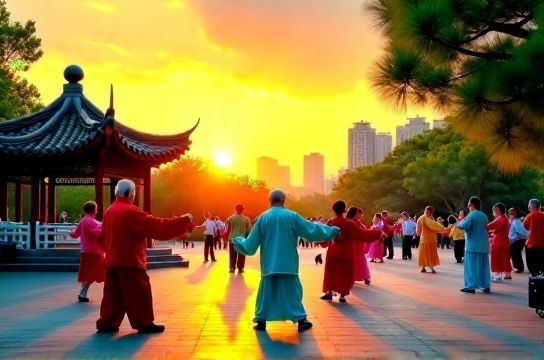
The Pulse of Daily Life
In cities like Beijing, Shanghai, and Chengdu, public parks aren’t just green spaces—they’re social hubs. Locals gather before sunrise to practice tai chi, swing fans in synchronized motion, or play erhu under willow trees. By 7 a.m., you’ll see clusters of aunties (da ma) launching into energetic square dancing routines—often with Bluetooth speakers louder than your gym playlist.
But it’s not all performance. These parks reflect values deeply rooted in Chinese society: community, harmony, and lifelong physical activity. Unlike Western parks where solitude is common, Chinese parks thrive on interaction. You might witness impromptu mahjong games, calligraphy writers using water brushes on stone, or even matchmaking corners where parents exchange their children’s resumes (!).
Cultural Activities by Time of Day
To help you visualize the daily rhythm, here's a breakdown of typical park activities:
| Time | Activity | Common Locations |
|---|---|---|
| 5:30–7:00 AM | Tai chi, qigong, morning exercises | Beijing (Temple of Heaven), Hangzhou (West Lake) |
| 8:00–10:00 AM | Calligraphy with water brushes, bird watching | Suzhou (Classical Gardens), Guangzhou (Yuexiu Park) |
| 4:00–6:00 PM | Square dancing, folk singing groups | Chengdu (People's Park), Xi’an (Xi’an City Wall Park) |
| 7:00–9:00 PM | Dance battles, socializing, evening strolls | Shanghai (Fuxing Park), Shenzhen (Lianhuashan Park) |
More Than Just Recreation
These parks also serve as informal job boards, dating agencies, and wellness centers. In Shanghai’s People’s Park, the so-called 'marriage market' draws parents every weekend, advertising their adult children’s qualifications on paper signs. It’s quirky, yes—but also revealing of intergenerational care and societal expectations.
Meanwhile, older adults use parks as free fitness centers. A 2022 study by Tsinghua University found that over 68% of urban residents aged 60+ visit parks at least three times a week for exercise—compared to 41% in U.S. metropolitan areas.
Why This Matters for Travelers
For visitors, embracing the park scene isn’t just about photos—it’s cultural immersion. Join a tai chi class (many welcome foreigners), tap your foot to a folk song, or simply sit and observe. You’ll gain insights no guidebook offers.
And let’s be real: where else can you watch a 70-year-old woman breakdance better than your college roommate?