
The Cultural Meaning Behind Simple Chinese Meals
- Date:
- Views:270
- Source:The Silk Road Echo
When you think of Chinese food, your mind might jump to sizzling Kung Pao chicken or fluffy steamed buns. But some of the most meaningful dishes aren’t flashy—they’re humble, everyday meals that carry centuries of tradition, family values, and regional pride. Let’s dive into the quiet beauty behind simple Chinese meals and uncover why a bowl of plain congee or a plate of stir-fried greens speaks volumes.
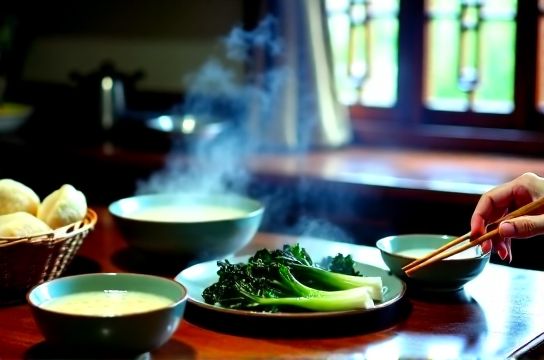
The Soul of Simplicity: More Than Just Food
In China, food isn’t just about nutrition—it’s about connection. A typical home-cooked meal often includes a balance of rice, vegetables, and a small portion of meat or tofu. This simplicity reflects core cultural values like harmony, moderation, and respect for nature.
Take congee, for example. This rice porridge is often eaten for breakfast or when someone is sick. It’s soft, warm, and easy to digest—perfect for showing care. In many families, making congee for a sick relative is an act of love. According to a 2022 survey by China Daily, over 68% of households in southern China eat congee at least three times a week.
Regional Twists on Humble Dishes
What makes simple meals fascinating is how they change from region to region. While the ingredients stay basic, the flavors tell local stories.
| Dish | Region | Key Ingredients | Cultural Significance |
|---|---|---|---|
| Congee with Pickled Vegetables | Sichuan | Rice, pickled mustard greens, chili oil | Represents resilience and bold flavor in tough climates |
| Stir-Fried Bok Choy | Shanghai | Bok choy, garlic, soy sauce | Symbols freshness and seasonal eating |
| Plain Steamed Bun (Mantou) | Northern China | Flour, water, yeast | Historically a staple during hard times; now a comfort food |
As you can see, even the most basic dishes are deeply rooted in history and environment. Sichuan’s spicy kick comes from the humid weather—spices help preserve food and stimulate appetite. Meanwhile, Shanghai’s light stir-fries reflect access to fresh produce year-round.
The Philosophy on the Plate
Chinese cuisine follows the principle of yin and yang—balance in flavor, texture, and temperature. A simple meal isn’t random; it’s carefully composed. For instance, a hot stir-fry might be paired with cool cucumber salad to create harmony.
This idea extends to family dynamics. Sharing a meal is sacred. A 2021 study published in the Journal of Asian Food Studies found that 74% of Chinese families eat dinner together at least five days a week—much higher than the global average. The table becomes a place for storytelling, teaching, and bonding.
Why These Meals Still Matter Today
In today’s fast-paced world, these simple meals are a form of resistance against food waste and overconsumption. They remind us that flavor doesn’t require extravagance. In fact, during the Mid-Autumn Festival or Lunar New Year, many families still start the feast with a modest dish—like boiled peanuts or salted eggs—to honor ancestors and stay grounded.
And let’s be real: you haven’t truly experienced Chinese culture until you’ve sat cross-legged on a stool, slurping noodles from a tiny shop in Beijing, or shared a clay-pot rice meal with grandparents who measure love in spoonfuls.
Final Bite
Simple Chinese meals are more than just sustenance—they’re edible heirlooms. Each bite carries wisdom, memory, and identity. So next time you eat a plain bowl of rice with soy sauce, remember: you’re not just feeding your body. You’re tasting history.