
How Tea Leaves Shape Rural Life in Fujian
- Date:
- Views:202
- Source:The Silk Road Echo
In the misty hills of southern China's Fujian Province, tea isn't just a drink—it's a way of life. For generations, rural communities have woven their identities around the delicate leaves of oolong, white, and green teas. From sunrise plucks to midnight roasting sessions, tea shapes every rhythm of daily existence. Let’s take a deep dive into how this humble leaf powers economies, preserves culture, and sustains villages.
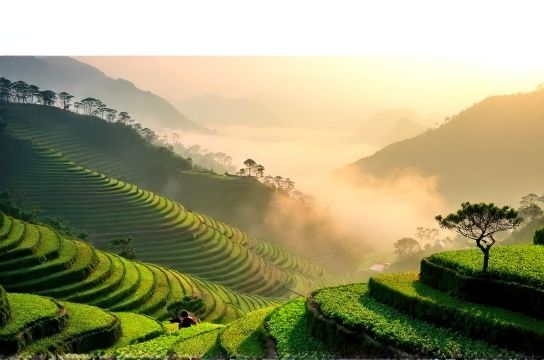
Fujian is one of China’s most renowned tea-producing regions, contributing over 40% of the nation’s oolong tea output. In counties like Anxi (home of Tieguanyin) and Zhenghe (famous for white tea), more than 70% of households rely on tea cultivation as their primary income source. It’s not just farming—it’s craftsmanship passed down through families, where grandfathers teach grandchildren how to judge leaf tenderness by touch alone.
But it’s not all poetic sunrises over terraced fields. The tea economy faces real challenges: climate shifts, labor shortages, and competition from mass-produced blends. Yet, innovation thrives. Many villages now blend tradition with e-commerce, selling directly to consumers via platforms like Taobao and Douyin. Some farmers report tripling their profits by branding their tea as 'mountain-grown' or 'artisan-fired.'
Tea’s Economic Roots: By the Numbers
| Indicator | Fujian Average | National Average |
|---|---|---|
| Tea Cultivation Area (10,000 ha) | 25.6 | 30.1 |
| Annual Tea Output (tons) | 480,000 | 2,930,000 |
| Farmers Dependent on Tea (%) | ~68% | ~22% |
| Average Price per kg (Tieguanyin, premium) | ¥600–1,200 | Varies widely |
As you can see, while Fujian doesn’t lead in total output, its specialty teas command premium prices. That’s where the real value lies—not in volume, but in quality and heritage.
Culturally, tea is embedded in everything. Villagers host annual Cha Ji (tea rituals) to honor the first spring harvest. Local schools even offer tea appreciation classes. And during harvest season, entire families move to mountain huts, living off steamed buns and fresh brews for weeks. It’s a lifestyle rooted in patience, precision, and pride.
The future? Bright, but evolving. Young people are returning from cities, bringing digital marketing skills and sustainability ideas. Solar-powered dryers, organic certifications, and agritourism are gaining traction. One village near Wuyi Mountains now hosts 'tea meditation retreats,' blending wellness trends with tradition—earning up to ¥800 per guest per day.
In the end, Fujian’s tea story isn’t just about agriculture. It’s about identity, resilience, and reinvention. Each cup tells a tale of foggy peaks, calloused hands, and quiet determination. So next time you sip that floral Tieguanyin or silky Bai Mudan, remember: you’re tasting the soul of rural China.