
How Tea Ceremonies Reflect Chinese Philosophy
- Date:
- Views:216
- Source:The Silk Road Echo
If you've ever sipped oolong from a tiny porcelain cup while listening to the soft pour of boiling water, you've touched more than just a drink—you've brushed against centuries of Chinese philosophy. The tea ceremony isn’t about fancy tools or Instagram-worthy setups (though it can be that too). It’s a quiet, mindful ritual that echoes core ideas like harmony, respect, simplicity, and balance—cornerstones of Daoism, Confucianism, and Buddhism in China.
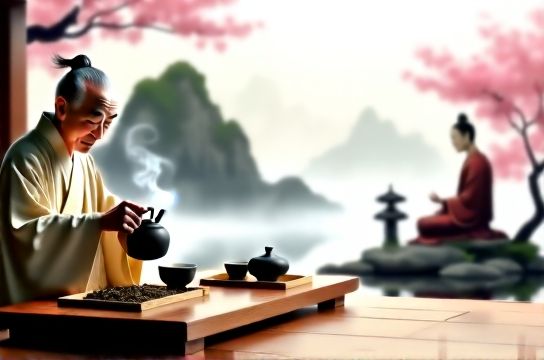
The Art of Being Present
Think about how a traditional gongfu cha session unfolds: every movement is deliberate. Warming the teapot, rinsing the leaves, pouring with precision—it’s not rushed. This mirrors Zen mindfulness and Daoist principles of flowing with the moment. In a world where we’re glued to screens and chasing productivity, tea ceremonies offer a rare pause. As Laozi once said, “Music in the soul can be heard by the universe.” Well, maybe he didn’t say that exactly—but the vibe fits.
Harmony in Every Sip
One of the biggest philosophical themes in Chinese tea culture is harmony (和 - hé). It shows up in how tea connects people, nature, and the elements. The ideal tea setting blends natural materials—wood, clay, bamboo—with calming colors and soft sounds. Even the water temperature and steeping time are adjusted to bring out the best in each leaf, reflecting balance between yin and yang.
Let’s break down how different teas align with philosophical schools:
| Tea Type | Philosophy | Key Traits | Brewing Temp |
|---|---|---|---|
| Green Tea (e.g., Longjing) | Daoism | Fresh, light, natural | 75–80°C |
| Oolong (e.g., Tieguanyin) | Buddhism | Complex, meditative | 85–95°C |
| Pu’er (Aged) | Confucianism | Rich, structured, traditional | Boiling (100°C) |
| White Tea (e.g., Bai Hao Yinzhen) | Daoism | Delicate, minimal processing | 80–85°C |
Notice a pattern? Lighter teas like green and white emphasize purity and going with the flow—classic Daoist vibes. Oolongs, often enjoyed in monasteries, support focus and introspection. And pu’er? Aged, bold, and deeply rooted in tradition—very Confucian.
Respect Served in a Cup
In many ceremonies, the youngest pours for the eldest first. Guests bow slightly when receiving tea. These gestures aren’t just polite—they’re expressions of Confucian values: hierarchy, respect, and social harmony. Passing the cup is a silent conversation: 'I see you. I honor you.'
Simplicity Over Showiness
You don’t need gold-plated kettles to have a meaningful tea moment. In fact, the most revered tools are often cracked, hand-fired Yixing clay pots passed down generations. Their imperfections tell stories. This appreciation for the humble and handmade ties into wabi-sabi-like ideals long before Japan coined the term. Beauty lives in the weathered, the used, the real.
Final Steep: More Than Just Tea
At its heart, the Chinese tea ceremony is philosophy in motion. It teaches patience through slow brewing, humility through service, and presence through sensory awareness. Whether you're steeping loose leaves at home or joining a formal gathering, remember: each cup carries whispers of ancient thought. So next time you brew, don’t just drink—reflect.