
The Role of Tea in Everyday Chinese Social Life
- Date:
- Views:264
- Source:The Silk Road Echo
Tea isn’t just a drink in China—it’s a lifestyle, a ritual, and a social glue that binds people together. From bustling city apartments to quiet village courtyards, the aroma of freshly brewed tea weaves through daily life like a warm thread. Whether you’re sealing a business deal or catching up with grandma, a cup of tea is almost always part of the scene.
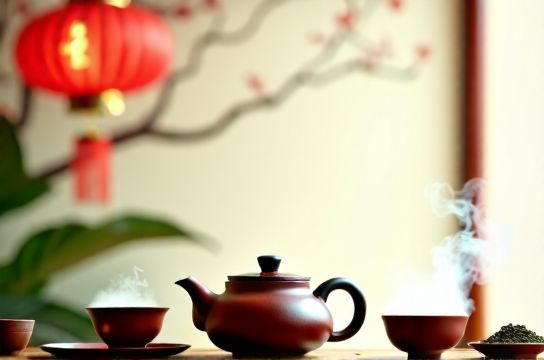
China, as the birthplace of tea, has been sipping on this golden elixir for over 5,000 years. Today, it remains deeply embedded in the culture—not just as a beverage, but as a symbol of respect, hospitality, and mindfulness.
The Social Brew: How Tea Brings People Together
In Chinese homes, offering tea to guests is more than polite—it’s expected. It’s the first gesture of welcome, much like a handshake in the West. During festivals like Lunar New Year, younger generations serve tea to elders as a sign of respect—a tradition known as kowtowing with tea.
In business settings, tea ceremonies can set the tone for negotiations. A shared pot of oolong or green tea creates a calm atmosphere, helping build trust before any contracts are signed. In fact, a 2023 survey by the China Tea Marketing Association found that 68% of business professionals prefer meeting over tea rather than coffee, citing its calming effect and cultural significance.
Tea Types & Their Social Roles
Different teas play different roles in social interactions. Here’s a quick breakdown:
| Tea Type | Flavor Profile | Social Context | Popularity (2023 Survey) |
|---|---|---|---|
| Green Tea (e.g., Longjing) | Grassy, fresh, light | Daily drinking, family gatherings | 42% |
| Oolong (e.g., Tieguanyin) | Floral, complex, smooth | Business meetings, formal occasions | 28% |
| Pu-erh | Earthy, rich, aged | Celebrations, gifts | 15% |
| White Tea (e.g., Baihao Yinzhen) | Delicate, sweet, subtle | Quiet moments, personal reflection | 8% |
| Black Tea (e.g., Keemun) | Malty, bold, robust | Winter gatherings, hearty chats | 7% |
Teahouses: The Social Hubs of China
Walk into any Chinese city, and you’ll likely stumble upon a teahouse. These aren’t just cafes—they’re community centers. In Chengdu, locals spend hours at teahouses playing mahjong, chatting, or even napping. Some modern teahouses double as co-working spaces, blending tradition with contemporary life.
According to a 2022 report by the National Cultural Heritage Administration, there are over 300,000 teahouses across China, with an annual growth rate of 6.5%. That’s proof that tea culture isn’t fading—it’s evolving.
Everyday Rituals, Deep Roots
For many Chinese families, the day starts with a pot of tea. It’s not about caffeine; it’s about rhythm. The slow pour, the steam rising, the first sip—these moments ground people in the present. Even in fast-paced cities like Shanghai or Shenzhen, office workers keep small gaiwans on their desks, brewing multiple infusions throughout the day.
And let’s not forget the role of tea in digital life. On platforms like Douyin (TikTok), videos of traditional tea ceremonies rack up millions of views. Young people are reclaiming tea culture, making it cool again—one graceful pour at a time.
So next time you visit China, don’t just grab a bubble tea. Sit down, accept that small cup of steaming brew, and let the silence speak. Because in China, tea isn’t just drunk—it’s felt.