
Sipping History A Journey Through Tea Culture China
- Date:
- Views:250
- Source:The Silk Road Echo
Let’s be real—when you think of tea, China probably pops into your mind faster than a kettle whistling on a Sunday morning. But this isn’t just about tossing leaves into hot water. Chinese tea culture? It’s centuries deep, packed with ritual, flavor, and more soul than your average latte ever dreamed of.
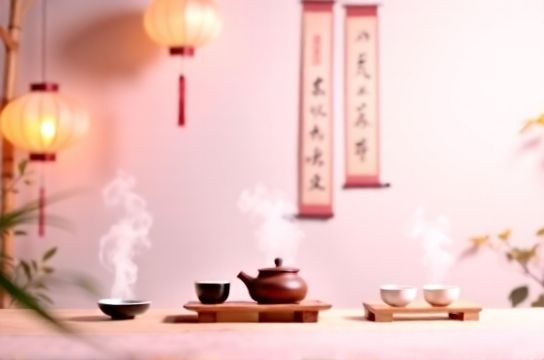
From misty mountain plantations to emperor-approved ceremonies, tea in China is a lifestyle. Over 5,000 years of history have shaped how it's grown, brewed, and revered. In fact, the earliest record of tea drinking traces back to the Shang dynasty (1600–1046 BCE), but it wasn’t until the Tang Dynasty (618–907 CE) that tea became a national obsession. Lu Yu’s Classic of Tea, written during this golden age, laid down the sacred art of tea preparation—and it’s still referenced today.
China produces over 2.7 million metric tons of tea annually, making it the world’s top producer. But quantity doesn’t overshadow quality. With six primary categories—green, black, oolong, white, yellow, and dark (like pu-erh)—there’s a brew for every mood, moment, and meridian.
The Big Six: Types of Chinese Tea at a Glance
| Type | Oxidation Level | Caffeine (mg/cup) | Famous Example | Region |
|---|---|---|---|---|
| Green | Unoxidized | 20–35 | Longjing (Dragon Well) | Zhejiang |
| Oolong | Semi-oxidized (15–70%) | 30–50 | Da Hong Pao | Fujian |
| Black (Red) | Fully oxidized | 40–60 | Keemun | Anhui |
| Pu-erh (Dark) | Post-fermented | 30–70 | Aged Pu-erh | Yunnan |
| White | Minimally processed | 15–30 | Silver Needle | Fujian |
| Yellow | Slight oxidation | 20–35 | Huangshan Maofeng | Anhui |
Notice something cool? What Westerners call “black tea,” the Chinese call “red tea” (hóngchá). Meanwhile, true black tea in China refers to fermented varieties like pu-erh. Language twist? You bet.
Brewing isn’t just science—it’s ceremony. The Gongfu Cha method, especially popular in Fujian and Guangdong, uses small clay teapots (Yixing pots), multiple short steeps, and a rhythm that turns tea-making into meditation. One session can yield 10+ infusions, each revealing new layers—floral, nutty, earthy—like a tea sommelier’s dream playlist.
And let’s talk value: A single cake of aged pu-erh once sold for over $10,000. Yep. Tea can be liquid gold.
But beyond luxury, tea is woven into daily life. Morning street vendors serve it in jars. Families bond over shared pots. Business deals are sealed not with handshakes, but with respectful pours. To refuse tea? That’s basically social heresy.
So next time you sip, don’t just gulp. Savor the steam, the story, the silent nod to emperors, monks, and farmers who kept this tradition alive. Because in China, tea isn’t just a drink—it’s history, harmony, and heart, all steeped in a cup.