
Discover the Hidden Gems of Chinese Tea Culture
- Date:
- Views:285
- Source:The Silk Road Echo
Think you know tea? Think again. While most folks sip their matcha lattes or English breakfast brews, China — the birthplace of tea — is quietly steeping centuries of tradition, flavor, and artistry in every cup. From misty mountain plantations to ancient tea rituals, Chinese tea culture is a sensory journey worth savoring. Let’s dive into the hidden gems that make it so extraordinary.
The Roots Run Deep: A Sip of History
Tea didn’t just appear in China — it evolved over 5,000 years. Legend has it Emperor Shen Nong discovered tea when leaves drifted into his boiling water. Whether myth or truth, one thing’s clear: by the Tang Dynasty (618–907 AD), tea was a national obsession. The first-ever book on tea, Cha Jing by Lu Yu, laid down brewing philosophies still respected today.
More Than Just a Drink: The 6 Types of Chinese Tea
Forget 'green vs black' — Chinese tea is a spectrum. Here’s a quick breakdown:
| Tea Type | Oxidation Level | Flavor Profile | Famous Example | Caffeine (mg per 8oz) |
|---|---|---|---|---|
| Green Tea | 0–10% | Grassy, fresh | Longjing (Dragon Well) | 20–35 |
| White Tea | 10–15% | Delicate, sweet | Bai Hao Yinzhen | 15–30 |
| Oolong Tea | 15–85% | Floral, creamy | Tieguanyin | 30–50 |
| Black Tea (Red Tea in China) | 80–100% | Malty, robust | Keemun | 40–60 |
| Dark Tea (Pu-erh) | 100% + aged | Earthy, woody | Shou Pu-erh | 30–70 |
| Yellow Tea | 10–20% | Toasty, mellow | Huangshan Mao Feng | 20–35 |
Yep, what the West calls “black tea,” China calls “red tea” (hong cha). Mind = blown.
Tea Ceremonies: It’s Not Just About Taste
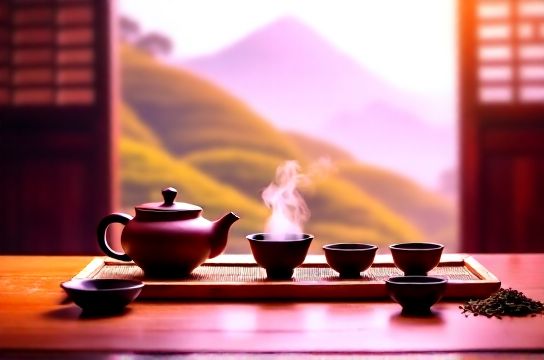
In China, brewing tea is an art form. The Gongfu Cha method — meaning "making tea with skill" — uses small clay teapots (Yixing pots) and multiple short steeps to unlock layers of flavor. Each pour reveals something new: floral notes at first, then honeyed depth, then a clean finish. It’s like a tea symphony.
Where to Experience Authentic Tea Culture
- Hangzhou, Zhejiang: Home of Dragon Well (Longjing) tea. Visit Meijiawu Village for farm-fresh picks in spring.
- Anxi, Fujian: Birthplace of Tieguanyin oolong. Join a harvest tour and try your hand at rolling leaves.
- Xishuangbanna, Yunnan: Ancient tea forests with 1,000-year-old pu-erh trees. Yes, really.
Why This Matters Today
In our fast-paced world, Chinese tea culture offers a rare pause — a moment to breathe, reflect, and connect. And with global interest surging (China exported $2.1 billion in tea in 2023), now’s the perfect time to go beyond the teabag and explore the real deal.
So next time you drink tea, don’t just gulp it. Smell the steam, admire the color, savor the aftertaste. You’re not just drinking a beverage — you’re tasting history.