
Dali’s Village Life: Where Tradition Meets Modernity
- Date:
- Views:270
- Source:The Silk Road Echo
Nestled in the foothills of the Cangshan Mountains and hugging the crystal-clear shores of Erhai Lake, Dali’s village life is like stepping into a postcard that somehow still breathes, lives, and evolves. Forget the fast-paced chaos of China’s mega-cities—here, time slows down just enough to let you sip on tea with a Bai elder, chat with a local artisan weaving traditional patterns, or wander cobbled lanes where centuries-old courtyards stand shoulder-to-shoulder with hip little cafés serving oat milk lattes.
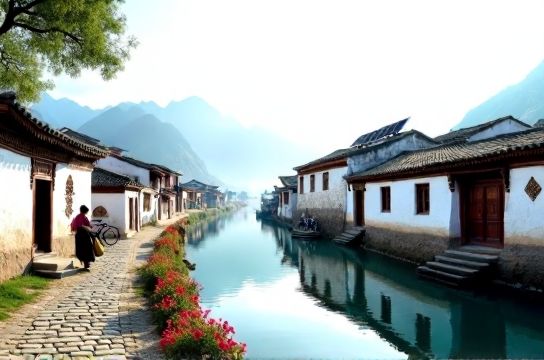
What makes Dali so special? It’s not just the jaw-dropping scenery (though yes, those sunrises over the lake are *chef’s kiss*). It’s how tradition and modernity coexist in perfect harmony. In villages like Xizhou and Shuanglang, grandma might be spinning yarn using methods passed down for generations, while her granddaughter runs a WeChat-based handicraft shop shipping goods to Beijing and beyond.
The Bai people, the dominant ethnic group here, take pride in their heritage—their striking white-walled, three-story homes with ornate carvings, their vibrant tie-dye fabrics, and their melodic folk songs that drift through evening air. But don’t mistake tradition for stagnation. Young locals are reimagining these customs, blending them with contemporary design and global trends. You’ll find hand-dyed scarves styled in minimalist boutiques, or temple ceremonies livestreamed on Douyin for diaspora families to watch from afar.
And let’s talk food—because no cultural deep dive is complete without it. Street vendors fry up spicy *rushan* cheese sticks, while family-run eateries serve *erkuai* rice cakes stir-fried with wild mushrooms forled from the mountains. Meanwhile, expat chefs experiment with Yunnan flavors in fusion dishes, creating a culinary scene that’s both rooted and revolutionary.
Sustainability also plays a quiet but powerful role. Many villagers have embraced eco-tourism, offering homestays powered by solar panels and gardens growing organic veggies. It’s tourism done right—respectful, low-impact, and mutually beneficial.
But perhaps the real magic of Dali’s village life is its rhythm. Mornings start with market chatter and the clink of teacups. Afternoons are for strolling past blooming camellias or biking along the lake under a big blue sky. Evenings? That’s when the bonfires sometimes light up, and music—be it traditional flute or indie rock—floats across the water.
So whether you're a digital nomad typing away in a bamboo-floored café, a culture lover tracing ancient crafts, or just someone craving a slower, more soulful way of living, Dali’s villages welcome you—not as a tourist, but as a temporary neighbor in a world where old ways aren’t just preserved, they’re reborn.