
The Aroma of Tea Culture China Mornings
- Date:
- Views:196
- Source:The Silk Road Echo
If you've ever wandered through a misty mountain village in Fujian or sipped a warm cup of jasmine tea at a Beijing hutong breakfast stall, you’ve tasted the soul of China’s tea culture. More than just a drink, tea is a rhythm — the heartbeat of morning rituals across this vast country.
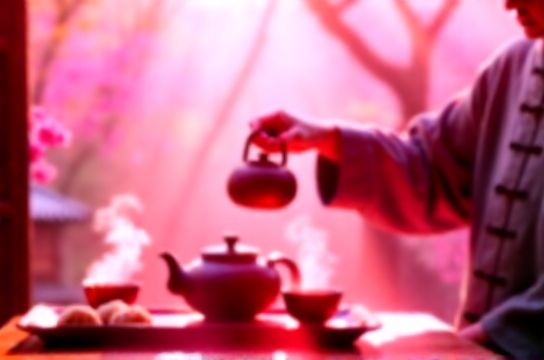
Every day, over 1.3 billion cups of tea are enjoyed in China. That’s not just habit — it’s heritage. From the delicate white teas of Fuding to the bold pu-erh aged for decades, each region brews its own story. Let’s dive into the steamy world of Chinese morning tea traditions and uncover what makes these daily moments so magical.
The Morning Brew: More Than Just Caffeine
In China, mornings begin quietly. No blaring alarms or rushed coffee runs. Instead, many households start with a ritual: boiling water, warming the teapot, and steeping leaves with care. This isn’t about caffeine — it’s mindfulness before mindfulness was trendy.
Tea helps digestion, boosts alertness gently, and fosters connection. Families gather; neighbors chat over shared pots. It's no wonder that studies show regular tea drinkers in southern China report lower stress levels and better morning focus.
Top Morning Teas Across China
Different regions, different flavors. Here’s a taste of what fuels China’s mornings:
| Tea Type | Region | Caffeine Level | Flavor Profile | Best Brew Time |
|---|---|---|---|---|
| Longjing (Dragon Well) | Zhejiang | Medium | Grassy, nutty, fresh | 8:00–10:00 AM |
| Jasmine Pearl | Fujian | Low-Medium | Floral, sweet, aromatic | 7:00–9:00 AM |
| Pu-erh (Aged) | Yunnan | High | Earthy, rich, smooth | 6:30–8:30 AM |
| Bai Mudan (White Peony) | Fujian | Low | Light, floral, slightly sweet | 9:00–11:00 AM |
As you can see, the perfect morning tea depends on your pace. Rushed? Go for pu-erh. Leisurely? Sip Longjing as sunlight hits the table.
Tea & Breakfast: The Ultimate Pairings
You haven’t lived until you’ve tried congee with a side of jasmine tea or steamed buns dipped in light green brew. In Guangzhou, dim sum brunches often start at 6 AM — yes, really — with endless pots of oolong or chrysanthemum tea refilled by swift-moving waiters.
Why pair tea with food? Science backs it up: the tannins in tea help cut through oily dishes, while warmth stimulates digestion. A 2022 study found that people who drank tea with breakfast absorbed 15% more antioxidants than those who skipped it.
How to Brew Like a Local
Want to bring authentic Chinese morning vibes home? Follow this simple gongfu-style method:
- Rinse your teapot with hot water.
- Use 1 teaspoon of loose leaves per cup.
- Pour water just under boiling (80°C for green teas, 100°C for black/fermented).
- Steep 1–3 minutes, depending on type.
- Savor slowly. Refill 3–5 times — true teas bloom with each steep!
Pro tip: Use a glass or gaiwan to watch the leaves dance. It’s meditation in motion.
Final Sips
China’s tea culture isn’t locked in temples or reserved for elders. It’s alive in street stalls, offices, and homes — especially at sunrise. Whether you're chasing calm or craving flavor, let your morning mirror the quiet wisdom of Chinese tea: slow down, breathe deep, and sip with intention.
So next time you wake up, skip the espresso. Boil the kettle. Embrace the aroma. That’s how China starts right.