
Tea Ceremonies in Modern Chinese Households
- Date:
- Views:166
- Source:The Silk Road Echo
In today’s fast-paced China, where skyscrapers pierce the clouds and smartphones never leave our hands, you might think ancient traditions like tea ceremonies have faded into obscurity. But here’s the twist: they haven’t. In fact, tea ceremonies are quietly thriving—not in royal courts or temples, but right in modern Chinese living rooms.
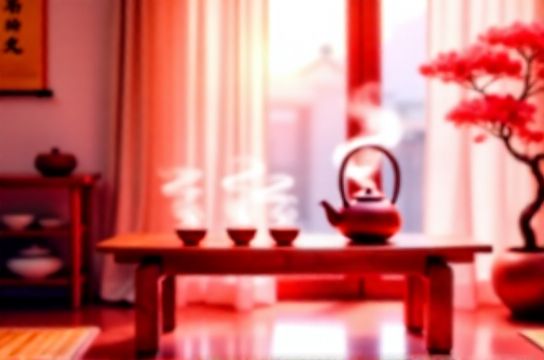
Gone are the days when tea was just a morning pick-me-up. For many urban families, brewing oolong or pu’er is now a mindful ritual—a moment of calm in a chaotic world. And it’s not just about taste; it’s about connection, culture, and even mental wellness.
The Comeback of the Kettle
A 2023 survey by the China Tea Marketing Association found that 68% of households in first-tier cities (Beijing, Shanghai, Shenzhen) engage in some form of traditional tea preparation at least once a week. That’s up from just 45% in 2018. What’s driving this revival? Stress relief tops the list (cited by 72%), followed by family bonding (58%) and cultural pride (51%).
But don’t picture strict rituals with incense and silence. Today’s tea moments are relaxed, personalized, and often shared on social media. Think Instagram-worthy gaiwan setups with minimalist ceramic ware, or TikTok clips of grandmas teaching grandkids how to swirl the teapot just right.
Tea Time, Reimagined
Modern Chinese tea culture blends old and new. While purists still follow the 9-step Gongfu Cha method, many households adapt it. A quick pour, three steepings, and a laugh with your spouse—that’s the new norm.
Here’s a snapshot of how tea habits vary across generations:
| Generation | Preferred Tea Type | Frequency | Main Occasion |
|---|---|---|---|
| Gen Z (18–26) | Light oolong, green tea | 3–4x/week | Evening relaxation |
| Millennials (27–40) | Pu’er, chrysanthemum | 5–6x/week | Family gatherings |
| Gen X+ (41+) | Black tea, aged pu’er | Daily | Morning routine |
Notice a trend? Younger folks lean toward lighter, fresher brews and use tea time as a digital detox. Older generations stick with bold flavors and treat it as a daily anchor.
Why This Matters Beyond the Cup
Tea ceremonies today aren’t just about drinking—they’re subtle acts of resistance against burnout. In a society where overwork is common, pausing to brew tea is a quiet rebellion. It says: I choose presence over productivity.
And let’s talk design. Contemporary tea sets fly off shelves—not because they’re fancy, but because they fit seamlessly into modern homes. Think compact bamboo trays, electric kettles with temperature control, and stackable clay cups that look great on marble countertops.
Bringing It Home: How to Start Your Own Ritual
You don’t need a Zen garden or a master’s degree in tea. Start small:
- Pick one tea you enjoy—jasmine, Tieguanyin, whatever.
- Set aside 10 minutes, maybe after dinner.
- Brew with intention: smell the leaves, watch the steam, savor each sip.
That’s it. No rules, no pressure. Just you, the tea, and a moment of peace.
In the end, the modern Chinese tea ceremony isn’t about perfection. It’s about presence. And in a world that never slows down, that’s the most revolutionary act of all.