
Balancing Work and Life in Local China Ways
- Date:
- Views:226
- Source:The Silk Road Echo
In today’s fast-paced world, balancing work and life has become a global challenge — but in China, the approach is uniquely rooted in tradition, community, and modern innovation. From ancient philosophies to cutting-edge corporate wellness programs, Chinese culture offers fresh perspectives on achieving harmony between career ambitions and personal well-being.
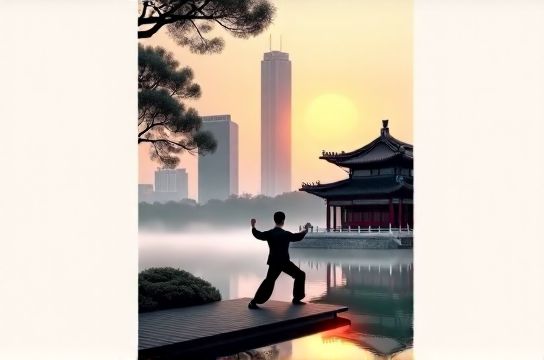
Unlike the Western 'hustle culture,' many locals in China embrace a more balanced rhythm shaped by Confucian values, Taoist mindfulness, and urban adaptations. Let’s dive into how everyday people in cities like Shanghai, Chengdu, and Hangzhou maintain equilibrium — and what we can all learn from them.
The Philosophy Behind the Balance
At the heart of Chinese lifestyle balance lies 中庸 (zhōng yōng) — the Doctrine of the Mean. This Confucian ideal promotes moderation, avoiding extremes in both work and leisure. It’s not about working less, but working wisely. Similarly, Taoism encourages wu wei (effortless action), flowing with life rather than forcing outcomes.
In practice, this means many Chinese professionals prioritize long-term sustainability over short-term burnout. A 2023 survey by Zhaopin.com found that 68% of urban workers now value work-life balance more than salary when choosing jobs — a significant shift from a decade ago.
Daily Habits That Make a Difference
Walk through any city park at dawn, and you’ll see retirees practicing tai chi, dancing in groups, or playing chess. These aren’t just hobbies — they’re essential rituals for mental clarity and social connection. Even younger generations are adopting similar habits, with lunchtime qigong sessions and after-work badminton matches becoming common in tech hubs.
One standout trend is the rise of ‘lying flat’ (躺平, tǎng píng) — a cultural pushback against overwork. While often misunderstood as laziness, it’s actually about rejecting unsustainable pressure and reclaiming personal time. Companies like Alibaba and Tencent have responded with flexible hours and nap rooms.
Workplace Wellness in Modern China
Forward-thinking firms are integrating traditional practices into employee wellness. Here’s how top industries compare:
| Industry | Avg. Work Week (hrs) | Wellness Programs | Employee Satisfaction |
|---|---|---|---|
| Tech (e.g., Huawei) | 45 | Meditation rooms, herbal tea stations | 76% |
| Finance (e.g., ICBC) | 50 | Subsidized gym memberships | 65% |
| Education | 42 | Weekly tai chi classes | 80% |
As shown, sectors embracing holistic well-being report higher satisfaction — proving that balance isn’t just good for people, it’s good for business.
Urban vs. Rural: Different Rhythms
In bustling cities, balance often means carving out green moments amid skyscrapers — rooftop gardens, weekend hikes, or silent reading corners in metro stations. In rural areas, life naturally aligns with agricultural cycles, offering built-in downtime during off-seasons.
Yet both share a strong emphasis on family and community meals. Dinner isn’t rushed; it’s a daily reset button. This cultural anchor helps buffer stress and reinforce emotional health.
Final Thoughts
Balancing work and life in China isn’t about perfection — it’s about rhythm, resilience, and respect for human limits. By blending ancient wisdom with modern flexibility, locals show us that true productivity includes rest, reflection, and joy.
Whether you're in Beijing or Boston, there’s wisdom in slowing down, staying centered, and finding your own version of zhōng yōng.