
Finding Peace in Tea Culture China Moments
- Date:
- Views:183
- Source:The Silk Road Echo
Ever felt like the world’s spinning too fast? Phones buzzing, emails piling up, and your to-do list growing like bamboo after rain? Yeah, we’ve all been there. But what if I told you there’s a quiet escape rooted deep in Chinese tradition — one cup of tea at a time?
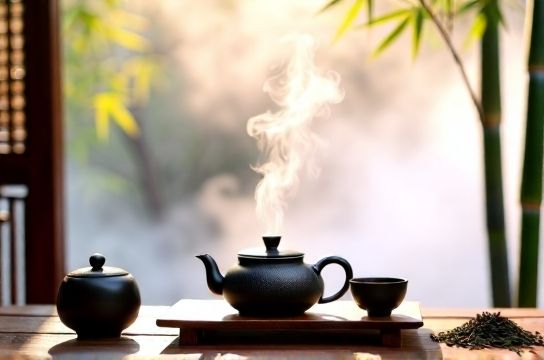
Welcome to the soul-soothing world of Chinese tea culture, where every sip is a step toward mindfulness, balance, and inner calm.
The Art of Slow Living: Why Tea?
In China, tea isn’t just a drink — it’s a ritual, a philosophy, a moment of pause. From misty mountain plantations to bustling city tearooms, tea connects people to nature, history, and themselves.
Did you know? Over 50% of households in China drink tea daily (China National Tea Industry Association, 2023). And it’s not just about taste — studies show that regular tea drinkers report 30% lower stress levels than non-tea drinkers (Journal of Ethnopharmacology, 2022).
A Sip Through History
Tea has been part of Chinese life for over 4,000 years. Legend says Emperor Shen Nong discovered it when tea leaves blew into his boiling water. Fast forward to today — tea remains a symbol of harmony, respect, and tranquility.
From Tang Dynasty poetry praising tea to Ming-era ceremonies, this leaf has shaped art, meditation, and social bonds across generations.
Top 5 Teas for Inner Peace
Not all teas are created equal when it comes to calming your mind. Here are the top five varieties steeped in both flavor and serenity:
| Tea Type | Caffeine Level | Flavor Profile | Best Time to Drink |
|---|---|---|---|
| Longjing (Dragon Well) | Low-Moderate | Grassy, nutty, fresh | Morning or early afternoon |
| Tieguanyin (Iron Goddess) | Moderate | Floral, creamy, smooth | Late morning |
| Pu-erh (Aged & Fermented) | Moderate-High | Earthy, woody, rich | After meals |
| Bai Mudan (White Peony) | Very Low | Delicate, sweet, floral | Anytime, especially evening |
| Huangshan Maofeng | Low | Soft, vegetal, refreshing | Morning meditation |
Pro tip: For maximum relaxation, brew at the right temperature and avoid over-steeping. White and green teas shine below 80°C (176°F), while oolongs can handle hotter water.
How to Practice Tea Mindfulness
You don’t need a fancy setup. Just follow these simple steps to turn tea time into a mini-retreat:
- Choose your tea intentionally — pick one that matches your mood.
- Heat water with care — listen to the gentle boil, watch the steam rise.
- Pour slowly, breathe deeply — engage your senses.
- Sip in silence — no phone, no distractions. Just you and the moment.
This isn’t just tea — it’s meditation in motion.
Where to Experience Authentic Tea Culture
If you’re planning a trip, consider visiting Hangzhou’s West Lake for Longjing tea farms, or Fujian’s Anxi County — home of Tieguanyin. Many estates offer guided tastings and traditional gongfu tea ceremonies.
Even better? Bring the experience home. A simple gaiwan (lidded bowl) costs under $15 and opens the door to authentic brewing.
Final Brew: Find Your Calm
In a noisy world, Chinese tea culture offers a quiet rebellion — a chance to slow down, reconnect, and simply be. So next time life feels overwhelming, don’t reach for caffeine chaos. Reach for a teacup instead.
As the ancient saying goes: “One who drinks tea drinks peace.”