
Immerse Yourself in Tea Culture China Traditions
- Date:
- Views:192
- Source:The Silk Road Echo
Craving a deeper sip of China? Skip the Great Wall selfies for a moment and dive into something far more soul-soothing: Chinese tea culture. For over 5,000 years, tea hasn’t just been a drink here—it’s philosophy in a cup, a social glue, and an art form that dances between ritual and relaxation.
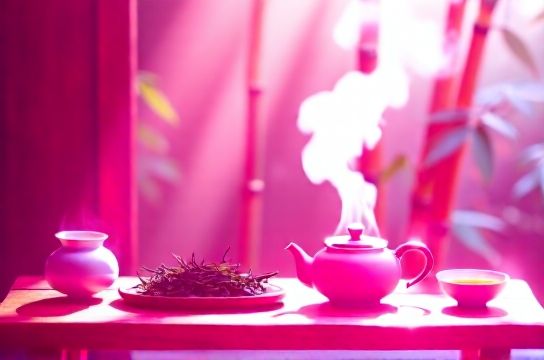
Forget your basic green tea bags. In China, every leaf tells a story. From misty mountain plantations to bustling city teahouses, tea is woven into daily life like calligraphy on silk. Whether you're sipping delicate Longjing in Hangzhou or bold Pu’er in Yunnan, each brew carries centuries of tradition, terroir, and technique.
The Big Five: Must-Try Chinese Teas
China classifies tea into six main categories, but these five are the rockstars you need to know:
| Tea Type | Flavor Profile | Region | Caffeine Level | Brew Temp (°C) |
|---|---|---|---|---|
| Green (e.g., Longjing) | Grassy, fresh, slightly sweet | Zhejiang | Moderate | 75–80 |
| Oolong (e.g., Tieguanyin) | Floral, creamy, complex | Fujian | Moderate-High | 90–95 |
| Black (e.g., Keemun) | Rich, malty, smoky | Anhui | High | 95–100 |
| White (e.g., Baihao Yinzhen) | Delicate, sweet, floral | Fujian | Low | 80–85 |
| Pu’er (Fermented) | Earthy, woody, deep | Yunnan | Medium | 95–100 |
Pro tip: Use glass or gaiwan (a lidded bowl) to appreciate the leaves unfurling—especially with green and white teas. It’s like watching nature stretch awake.
Gongfu Cha: The Art of Slow Sipping
If you really want to feel tea culture, try Gongfu Cha—the “kung fu of tea.” This isn’t about strength; it’s precision, patience, and respect. Using tiny pots and cups, you brew multiple short infusions, each revealing new layers of flavor.
Imagine this: You’re in a quiet Chengdu teahouse, steam curling from a Yixing clay pot. The host rinses the leaves, pours with graceful flicks, and serves you a thimble-sized cup. Sip slowly. Breathe. That’s Gongfu Cha—a meditation in motion.
Where to Go: Tea Destinations Worth Traveling For
- Hangzhou: Home of Dragon Well (Longjing) tea. Hike Longjing Village, tour a working plantation, and taste tea picked hours ago.
- Fujian Province: Birthplace of oolong and white teas. Visit Anxi for Tieguanyin or Fuding for rare silver needle.
- Yunnan: Wild tea trees older than your great-great-grandparents grow here. Try aged Pu’er—it gets better with time, like fine wine.
And don’t miss Chengdu or Beijing’s historic teahouses, where locals play mahjong, debate politics, or just chill under bamboo shades—all over a shared pot.
Fun Fact: Tea & Tradition
In ancient China, tea was so valuable it was used as currency along the Tea Horse Road. Today, offering tea symbolizes respect—like during weddings, where brides serve parents to honor family roots.
So next time you raise a cup, remember: you’re not just drinking—you’re connecting. To history. To harmony. To humanity.
Ready to steep yourself in tradition? Pack your bags—and leave room in your suitcase for a few tins of loose leaf.