
Tea Culture China Rituals You Should Know
- Date:
- Views:258
- Source:The Silk Road Echo
When it comes to Chinese tea culture, we're not just talking about sipping a warm drink — we're diving into a 5,000-year-old tradition steeped in philosophy, etiquette, and artistry. From the hazy mountains of Fujian to bustling teahouses in Beijing, tea isn't just a beverage in China; it's a way of life.
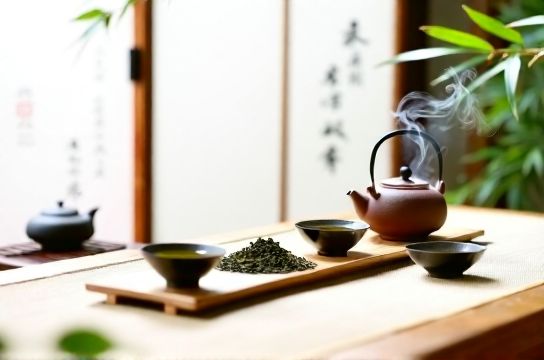
The Heart of Chinese Tea Culture
Legend has it that Emperor Shen Nong discovered tea in 2737 BCE when leaves from a wild tree drifted into his boiling water. Whether or not that’s true, one thing’s for sure: tea has shaped Chinese society ever since. Today, over 2.5 million tons of tea are produced annually in China — making it the world’s largest producer and consumer.
But beyond production stats, what truly sets Chinese tea apart is the ritual. Each step — from water temperature to brewing time — carries meaning. It’s mindfulness in liquid form.
The Six Main Types of Chinese Tea
Unlike Western 'one-size-fits-all' tea bags, Chinese tea is categorized into six classic types based on oxidation and processing:
| Tea Type | Oxidation Level | Flavor Profile | Famous Example |
|---|---|---|---|
| Green Tea | 0–10% | Grassy, fresh, vegetal | Longjing (Dragon Well) |
| Oolong Tea | 10–80% | Floral, creamy, complex | Tieguanyin |
| Black Tea (Red Tea in China) | 80–100% | Malty, bold, sweet | Keemun |
| White Tea | 5–10% | Delicate, sweet, subtle | Silver Needle |
| Pu-erh Tea | Aged & fermented | Earthy, woody, rich | Raw (Sheng) Pu-erh |
| Yellow Tea | 10–20% | Mellow, smooth, rare | Huai Shang Huang |
The Gongfu Cha Experience
If you want to experience tea like a local, try Gongfu Cha — literally "making tea with skill." This traditional method uses small clay Yixing teapots and multiple short steeps to unlock layers of flavor.
Here’s how it works:
- Warm the teaware with hot water
- Rinse the leaves briefly (called "awakening")
- Brew for 10–30 seconds per infusion
- Enjoy up to 10 rounds from the same leaves!
Pro tip: Use near-boiling water for oolong and black teas, but keep it around 80°C (176°F) for green tea to avoid bitterness.
Tea Etiquette: Sip Like a Pro
In China, how you handle your cup says a lot. A few key rules:
- Never fill a cup to the brim — 70% is polite.
- Tap two fingers on the table to silently thank someone who pours for you (a nod to a Qing dynasty legend).
- Don’t stick your pinky out — this isn’t England!
And remember: blowing on your tea? Big no-no. Let it cool naturally.
Why This Tradition Still Matters
In our fast-paced world, Chinese tea rituals offer a moment of calm. Studies show that L-theanine in tea reduces stress and boosts focus. Combine that with mindful brewing, and you’ve got a wellness practice older than most civilizations.
So next time you pour a cup, don’t just gulp it down. Smell the aroma, feel the warmth, and honor the journey from leaf to cup. That’s the real taste of China.