
The Evolution of Tea Culture in Modern China
- Date:
- Views:198
- Source:The Silk Road Echo
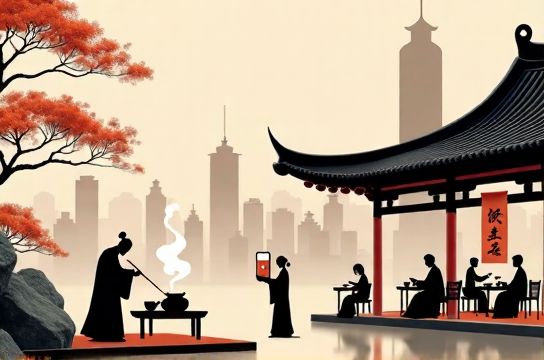
Tea isn’t just a drink in China—it’s a lifestyle, a legacy, and a love letter to thousands of years of tradition. But don’t be fooled: while your grandma might still brew her oolong in a tiny clay pot, modern China is sipping tea in bold new ways. From ancient rituals to TikTok trends, tea culture has evolved—and it’s hotter than ever.
The Roots Run Deep
China’s tea journey began over 5,000 years ago, with Emperor Shen Nong famously 'discovering' tea when leaves blew into his boiling water. Fast forward to the Tang Dynasty (618–907 AD), and Cha Jing—the first definitive book on tea—was written by Lu Yu. Back then, tea was steamed, compressed into cakes, and ground into powder. Sound familiar? That’s basically matcha’s great-great-granddaddy.
Tea Today: Tradition Meets Trend
In 2024, China’s tea market hit a staggering ¥350 billion ($48 billion USD) in retail sales, according to iiMedia Research. And get this—over 60% of young consumers (ages 18–35) now prefer tea over coffee. Why? It’s not just about taste. It’s identity, wellness, and Instagrammable moments.
Brands like Hey Tea (喜茶) and Chagee (霸王茶姬) are leading the charge, blending heritage ingredients like jasmine and pu-erh with bubble tea aesthetics. One Chagee store in Chengdu serves over 2,000 cups a day. Yes, really.
Tea Consumption Trends (2023)
| Tea Type | Market Share (%) | Popularity Among Youth |
|---|---|---|
| Green Tea | 35% | High |
| Oolong | 22% | Very High |
| Pu-erh | 15% | Moderate |
| Black Tea | 10% | Low |
| Herbal/Flavored | 18% | Very High |
The Ritual Redefined
Traditional gongfu cha (功夫茶) ceremonies are still alive—especially in Fujian and Guangdong—but they’re getting a digital glow-up. On Douyin (China’s TikTok), videos tagged #TeaArt have racked up over 8.2 billion views. Influencers pour water with zen-like precision, while explaining terroir like wine connoisseurs.
Meanwhile, smart kettles and AI-powered tea brewers are flying off shelves. Xiaomi’s smart tea infuser adjusts temperature and steep time via app—because who has time to watch leaves unfurl?
Tea as Wellness, Not Just Warmth
Modern drinkers aren’t just chasing flavor—they’re after function. Matcha for focus. Chrysanthemum for calm. Pu-erh for digestion. A 2023 survey found that 74% of urban tea drinkers choose blends based on health benefits.
This isn’t fad wellness—it’s ancestral wisdom meeting modern science. Studies from Peking University show regular green tea consumption can reduce cardiovascular risk by up to 31%.
What’s Next?
Tea culture in China isn’t fading—it’s fermenting into something richer. Whether it’s a $100 aged pu-erh cake or a $4 boba milk tea with osmanthus syrup, the leaf remains central to Chinese identity. And as sustainability grows, expect more eco-packaging, farm-to-cup transparency, and tea tourism.
So next time you sip that jasmine pearl, remember: you’re not just drinking tea. You’re tasting time.