
Sipping Tradition How Tea is Brewed in China
- Date:
- Views:193
- Source:The Silk Road Echo
Tea isn't just a drink in China—it's a way of life. From misty mountain plantations to bustling city teahouses, the art of brewing tea runs deep in Chinese culture. Whether you're sipping delicate Longjing in Hangzhou or bold Pu'er in Yunnan, every cup tells a story centuries in the making.
China produces over 2.5 million tons of tea annually, making it the world’s largest tea producer. With more than 1,000 varieties grown across 18 provinces, the diversity is staggering. But how do you go from leaf to luminous brew? Let’s steep into the details.
The Six Main Types of Chinese Tea
Unlike Western blends, Chinese tea is classified by oxidation level and processing method. Here’s a quick breakdown:
| Type | Oxidation Level | Flavor Profile | Popular Example |
|---|---|---|---|
| Green Tea | 0–10% | Grassy, fresh, vegetal | Longjing (Dragon Well) |
| Oolong Tea | 10–70% | Floral, fruity, complex | Tieguanyin |
| Black Tea (Red Tea in China) | 80–100% | Malty, robust, sweet | Keemun |
| White Tea | 5–10% | Delicate, sweet, subtle | Baihao Yinzhen |
| Pu’er Tea | Varies (aged) | Earthy, woody, rich | Raw & Ripe Pu’er |
| Yellow Tea | 10–20% | Smooth, mellow, slightly sweet | Huangshan Mao Feng |
Brewing Like a Pro: The Gongfu Cha Way
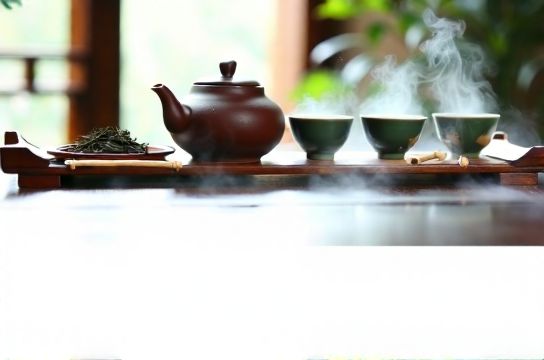
If you’ve only steeped tea bags, get ready for a revelation. In China, especially in Fujian and Guangdong, Gongfu Cha—the 'skillful method'—is the gold standard. It uses small clay teapots (usually Yixing), high leaf-to-water ratios, and multiple short infusions.
- Vessel: Yixing clay pot or Gaiwan
- Leaf amount: 5–7 grams per 100ml water
- Water temp: Varies by tea (e.g., 80°C for green, 95°C+ for black)
- Steep time: 10–30 seconds, increasing with each infusion
The magic? You can brew the same leaves up to 10 times, each pour revealing new layers of aroma and taste. Talk about value in a cup!
Regional Rituals & Real Flavor
Travel through China, and tea changes with the landscape. In Chaozhou, Kung Fu Tea is a social ritual—tiny cups, loud pouring, and serious respect. Up north, jade cong cha (iced jasmine pearls) refresh summer days. And in Tibet? They’re sipping butter tea, made with yak butter and salt. Yep, not for everyone—but deeply traditional.
Even packaging tells a tale. Premium teas like Dongting Biluochun are hand-rolled in spring, often harvested before Qingming Festival for peak tenderness. These first-flush leaves can fetch over $200 per pound.
Why This Matters Today
In an age of matcha lattes and bubble tea, real Chinese brewing offers mindfulness and connection. It’s slow, intentional, and deeply satisfying. Plus, studies show green tea may boost metabolism and support heart health—bonus points for flavor and function.
So next time you brew, skip the bag. Try loose leaves, pay attention to water temperature, and savor each steep. You’re not just drinking tea—you’re joining a 5,000-year-old conversation.