
Finding Peace in Chinas Ancient Tea Houses
- Date:
- Views:174
- Source:The Silk Road Echo
Craving a moment of calm in today’s chaotic world? Skip the crowded cafes and overpriced matcha lattes. Instead, step into the serene embrace of China’s ancient tea houses — where time slows, steam rises from hand-poured kettles, and every sip tells a story centuries in the making.
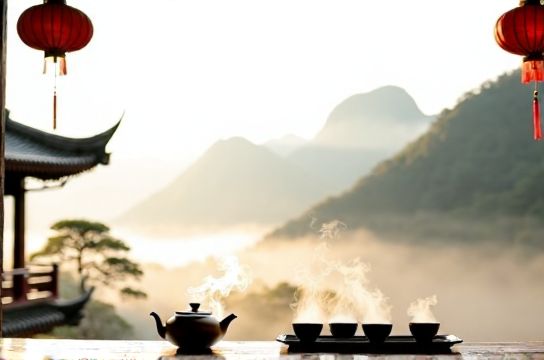
Tea isn’t just a drink in China; it’s a philosophy, a ritual, and for many, a spiritual journey. From misty mountain villages to hidden courtyards in bustling cities like Hangzhou and Chengdu, traditional tea houses offer more than just flavor — they offer peace.
The Art of Slow Living
In a culture that invented tea ceremonies over a thousand years ago, the experience goes far beyond boiling water and dropping in a bag. In ancient tea houses, you’ll witness gongfu cha — the ‘skillful method’ of brewing. This meticulous process involves small clay teapots, multiple short steeps, and an almost meditative attention to detail.
Imagine this: You’re seated beside a bubbling bamboo fountain, the scent of aged pu-erh tea filling the air. The server — often dressed in silk hanfu — warms your cup with hot water, then adds tightly rolled oolong leaves. Water at precisely 95°C hits the leaves, releasing floral notes and a golden brew. It’s not just tea. It’s theater. It’s therapy.
Top 5 Must-Visit Ancient Tea Houses
Not all tea houses are created equal. Here are five legendary spots where history, ambiance, and flavor converge:
| Name | Location | Specialty Tea | Founded | Why Visit? |
|---|---|---|---|---|
| Hupo Spring Teahouse | Hangzhou | Longjing (Dragon Well) | 1890 | Nestled near West Lake, served to emperors |
| Wangjianglou Teahouse | Chengdu | Jasmine Pearl | 1764 | Famous for Sichuan opera face-changing shows |
| Tianfugou Teahouse | Fujian | Tieguanyin Oolong | 1600s | Set in a temple garden, monks still serve tea |
| Lao She Teahouse | Beijing | Pu-erh & Chrysanthemum | 1988 (revival) | Cultural hub with live Peking opera |
| Zhiyu Teahouse | Huangshan | Maofeng Green Tea | 1700s | Surrounded by tea fields, zero electricity |
Tea by the Numbers: Why It’s Good For You
Beyond the zen vibes, science backs the benefits. According to a 2023 study published in Nature Aging, regular consumption of green tea is linked to a 16% lower risk of cognitive decline. Another report from the Chinese Academy of Sciences found that polyphenols in oolong tea can improve metabolism by up to 12%.
Here’s a quick nutritional snapshot per 8oz cup (no sugar added):
- Green Tea: 25mg caffeine, 200mg antioxidants
- Oolong Tea: 30mg caffeine, aids digestion
- Pu-erh Tea: 40mg caffeine, supports gut health
- Jasmine Tea: ~25mg caffeine, calming aroma therapy
How to Experience It Like a Local
Want to blend in? Follow these unwritten rules:
- Tap two fingers on the table when someone pours your tea — it’s a silent ‘thank you’ rooted in imperial legend.
- Don’t rush. Stay for at least three steepings — each reveals new layers of flavor.
- Leave your phone behind (or at least face-down). This is sacred downtime.
And if you’re lucky, you might catch a spontaneous guzheng (Chinese zither) performance or a brush calligraphy demo between sips.
Final Sip
In a world addicted to speed, China’s ancient tea houses remind us that true luxury isn’t fast delivery or instant gratification — it’s presence. It’s watching light filter through paper windows as you cradle a warm cup of Longjing, knowing you’re part of a tradition older than most nations.
So next time you need to reset, don’t just drink tea — live it. Your mind (and taste buds) will thank you.