
The Art of Chinese Tea Rituals in Daily Life
- Date:
- Views:266
- Source:The Silk Road Echo
Let’s be real—when you think of tea, you probably picture a quick teabag dunked in hot water. But in China? Tea isn’t just a drink; it’s a lifestyle, a moment of calm, and honestly, a form of art. Welcome to the world of Chinese tea rituals, where every pour tells a story.
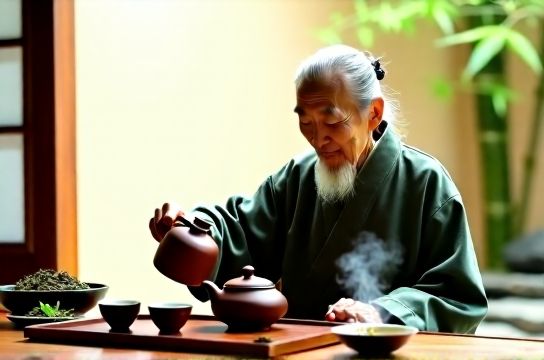
Why Tea Is More Than Just a Drink
In China, tea is woven into daily life like morning sunlight through bamboo blinds. From bustling city apartments to quiet village homes, the ritual of brewing tea is a sacred pause. It’s not about caffeine—it’s about connection, mindfulness, and tradition.
Did you know that over 50% of Chinese households drink tea daily? And get this: China produces more than 2.7 million tons of tea per year—that’s nearly 40% of the world’s total! No wonder tea culture here runs deep.
The Big Five: Most Popular Chinese Teas
Not all teas are created equal. Here are the five heavy hitters you’ll encounter in any authentic Chinese tea setting:
| Tea Type | Flavor Profile | Caffeine Level | Brewing Temp (°C) |
|---|---|---|---|
| Green Tea (e.g., Longjing) | Grassy, fresh, slightly sweet | Medium | 75–80 |
| Oolong (e.g., Tieguanyin) | Floral, creamy, complex | Medium-High | 85–95 |
| Black Tea (e.g., Keemun) | Rich, malty, smoky | High | 95–100 |
| White Tea (e.g., Bai Hao Yinzhen) | Delicate, sweet, light | Low | 70–80 |
| Pu-erh (Aged/Fermented) | Earthy, woody, bold | Medium | 95–100 |
Pro tip: Use glass or gaiwan (that little lidded bowl) for green and white teas to appreciate their color and aroma. Oolong and Pu-erh? Go ceramic—they hold heat better and enhance flavor.
How to Brew Like a Pro (Gongfu Style)
The Gongfu Cha method is all about precision, patience, and respect for the leaves. Forget boiling water and long steeps—this is short, strong, and repeated up to 10 times!
- Step 1: Warm your teapot and cups with hot water.
- Step 2: Add tea leaves (about 5g per 100ml).
- Step 3: Rinse the leaves with hot water—this wakes them up!
- Step 4: First steep: 10–15 seconds. Pour slowly, evenly.
- Step 5: Increase steep time by 5 seconds each round.
Each infusion reveals new layers—like a tea symphony in your cup.
Tea in Modern Chinese Life
You might think these rituals are old-school, but they’re very much alive. In offices, coworkers share tea breaks. Families bond over evening brews. Even on dates, offering tea is a gesture of respect.
And let’s talk health: studies show regular tea drinkers have up to 20% lower risk of heart disease. Green tea alone is packed with antioxidants—EGCG, anyone?
Making It Your Own
You don’t need a full tea set to start. Just grab some quality loose-leaf tea, a mug, and hot water. Breathe. Sip. Slow down.
Whether you're chasing zen or just a better way to wake up, embracing Chinese tea rituals can add depth to your day—one cup at a time.