
How Daily Life in China Celebrates Seasonality
- Date:
- Views:190
- Source:The Silk Road Echo
China doesn’t just follow the calendar — it dances with the seasons. From breakfast habits to festival fever, daily life here pulses in rhythm with nature’s shifts. Whether you're sipping chrysanthemum tea in autumn or dodging firecrackers during Spring Festival, seasonality isn’t a trend — it’s a way of life.
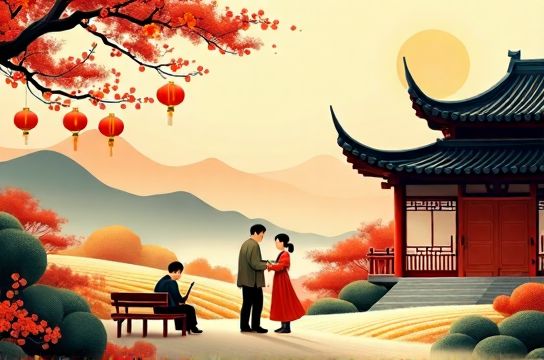
The Rhythm of the Year: More Than Just Weather
In China, seasons shape everything — food, fashion, festivals, and even feng shui. The traditional lunar calendar still guides farmers, families, and foodies alike. Each of the 24 solar terms (节气) marks subtle changes, from Start of Spring (立春) to Great Cold (大寒). These aren’t poetic labels — they’re practical cues for planting, eating, and living wisely.
Seasonal Eats: What’s on the Table?
Chinese cuisine is hyper-seasonal. Locals believe “you are what you eat when”. Here’s how meals shift across the year:
| Season | Signature Foods | Cultural Reason | Popular Cities |
|---|---|---|---|
| Spring | Bamboo shoots, qingtuan (green rice balls) | Detox after winter; symbolize renewal | Shanghai, Hangzhou |
| Summer | Lotus root soup, watermelon, liangpi (cold skin noodles) | Cooling 'yin' foods to balance heat | Chengdu, Guangzhou |
| Autumn | Crab (especially hairy crab), pears, chrysanthemum tea | Moisturizing dry air; harvest celebration | Suzhou, Yangcheng Lake |
| Winter | Hot pot, dumplings, tangyuan (sweet glutinous balls) | Warm 'yang' energy; family reunion focus | Beijing, Chongqing |
Take hairy crab season — it’s not just a menu item, it’s an event. Between September and November, locals in Suzhou line up for fresh Dàzháxiè (大闸蟹), often paired with ginger vinegar and warm yellow wine. It’s culinary theater, rooted in seasonal authenticity.
Festivals That Define the Calendar
If food sets the tone, festivals bring the beat. Major holidays align tightly with seasons:
- Spring Festival (Jan-Feb): Lunar New Year = family reunions, red envelopes, and mountains of dumplings.
- Qingming Festival (Apr): Tomb-sweeping day. People honor ancestors and enjoy spring outings.
- Middle Autumn Festival (Sep-Oct): Mooncakes under the full moon — a sweet tribute to harvest and unity.
- Dongzhi Festival (Dec): Winter solstice = eating tangyuan or dumplings to welcome longer days.
Living With the Climate: Homes, Habits & Health
Seasons also influence daily routines. In northern cities like Beijing, winter means heated apartments and layered clothing. In contrast, southern regions like Guangzhou rely on humidity-busting teas and breathable cotton.
Traditional Chinese Medicine (TCM) plays a big role too. Many visit clinics each season for “tune-ups” — acupuncture in spring, herbal soups in winter. Even urban millennials swear by “eating according to the season” to avoid colds or fatigue.
Why This Matters Today
In a fast-paced world, China’s seasonal rituals offer grounding. They connect people to nature, heritage, and each other. And for travelers? Embracing seasonality isn’t just smart — it’s soulful.
So next time you’re in China, don’t just check the weather app. Check the solar term. You might just catch a festival, taste a rare dish, or witness how centuries-old rhythms still shape modern life — one season at a time.