
Everyday Elegance in Chinese Tea Houses
- Date:
- Views:209
- Source:The Silk Road Echo
There’s something quietly magical about stepping into a Chinese tea house. It’s not just about sipping tea—it’s a full sensory experience steeped in centuries of tradition, yet perfectly at home in today’s fast-paced world. From the soft rustle of silk robes to the delicate aroma of fresh oolong unfurling in hot water, every moment feels intentional. But what makes these spaces so special? And how can you make the most of your visit—whether you’re a curious beginner or a seasoned sipper?
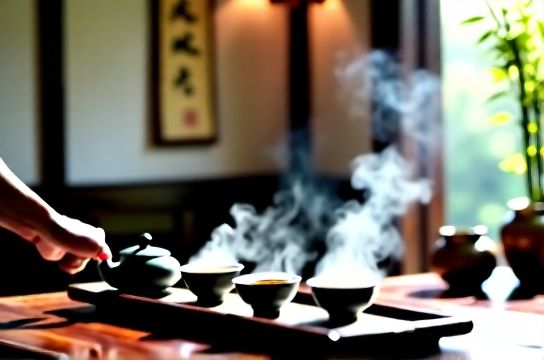
The Art of Slow Living
In a world obsessed with speed, Chinese tea houses invite you to slow down. These aren’t coffee shops with free Wi-Fi and power outlets. They’re sanctuaries. A typical gongfu tea ceremony, for instance, takes 20–30 minutes and involves precise water temperatures, multiple short steeps, and elegant porcelain or Yixing clay teapots.
Did you know? The average tea drinker in China consumes about 1.2 kg of tea per year, according to the International Tea Committee. Compare that to the U.S., where it’s just 0.4 kg, and you start to see how deeply tea is woven into daily life.
What to Expect: A Quick Guide
Walking into a traditional tea house can feel intimidating. Don’t worry—you don’t need to be a scholar to enjoy it. Most places welcome newcomers with open arms (and warm cups). Here’s a snapshot of what you might encounter:
| Tea Type | Flavor Profile | Caffeine Level | Best Time to Drink |
|---|---|---|---|
| Green Tea (e.g., Longjing) | Fresh, grassy, slightly sweet | Medium | Morning |
| Oolong (e.g., Tieguanyin) | Floral, creamy, complex | Medium-High | Afternoon |
| Pu-erh | Earthy, woody, rich | High | After meals |
| White Tea (e.g., Bai Hao Yinzhen) | Delicate, sweet, floral | Low | Anytime |
Why It Matters Today
You might think tea culture is stuck in the past, but modern Chinese tea houses are evolving. In cities like Chengdu and Hangzhou, you’ll find minimalist spaces blending old-world charm with Instagram-worthy design. Some even offer tea pairing menus—think jasmine green tea with dim sum or aged pu-erh with dark chocolate.
And let’s talk wellness. Studies suggest that regular tea consumption is linked to lower stress levels, improved digestion, and even better heart health. With mindfulness on the rise, tea houses are becoming go-to spots for digital detoxes and quiet reflection.
Pro Tips for First-Timers
- Arrive hungry—many tea houses serve small bites that elevate the experience.
- Ask questions—staff love sharing stories behind each blend.
- Try gongfu style—it’s more immersive and brings out layered flavors.
- Bring a friend—tea is best enjoyed in good company.
At the end of the day, Chinese tea houses aren’t just about drinking tea—they’re about reclaiming moments of calm, connection, and everyday elegance. So next time you’re looking to unplug, skip the café. Step into a tea house instead. Your soul will thank you.