
Immersing in Tea Culture China Every Afternoon
- Date:
- Views:203
- Source:The Silk Road Echo
If you've ever wandered through a Chinese garden, heard the soft pour of boiling water into a clay teapot, or caught the delicate aroma of aged pu-erh drifting through the air—you’ve already taken your first sip of China’s afternoon tea culture. But there’s more beneath the surface than just leaves and hot water. This is a ritual, a rhythm, a way of life that unfolds every afternoon across bustling cities and quiet villages alike.
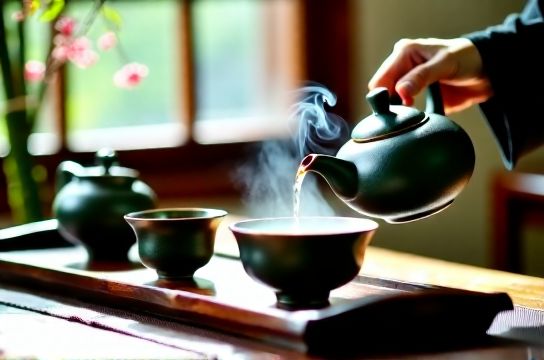
China doesn’t just drink tea—it lives it. From the misty hills of Fujian to the ancient alleys of Beijing, tea isn’t rushed. It’s savored. And nowhere is this more evident than in the daily afternoon tea moments cherished by locals.
The Heartbeat of the Afternoon: Why 2–4 PM?
In China, the golden window for tea is between 2 and 4 PM. Not too early, not too late—just when energy dips and conversation flows. According to a 2023 survey by the China Tea Marketing Association, over 68% of urban professionals enjoy a dedicated tea break during this time. Whether it’s a quick gongfu cha session at work or a slow-brewed pot shared among friends, tea bridges the gap between lunch lethargy and evening hustle.
Top Afternoon Teas Across China
Different regions, different brews. Here’s a taste of what you might sip depending on where you are:
| Tea Type | Region | Caffeine Level | Flavor Profile | Brew Time (min) |
|---|---|---|---|---|
| Longjing (Dragon Well) | Zhejiang | Medium | Grassy, nutty, fresh | 2–3 |
| Oolong (Tieguanyin) | Fujian | Medium-High | Floral, creamy, aromatic | 4–5 |
| Pu-erh (Aged) | Yunnan | High | Earthy, woody, smooth | 5–7 |
| Jasmine Pearl | Guangxi | Low-Medium | Sweet, floral, soothing | 3–4 |
Pro tip? If you're new to the scene, start with Jasmine Pearl—gentle on the palate and perfect for easing into the ritual.
The Art of Gongfu Cha: More Than Just Brewing
Gongfu cha, meaning “tea with skill,” transforms brewing into performance. Tiny pots, multiple steepings, and precise water temperatures make each session an intimate experience. A single serving can be steeped up to 8 times, with flavor evolving from bright and floral to deep and mellow.
Here’s a quick breakdown of the gongfu setup:
- Yixing clay teapot (seasoned with years of use)
- Small porcelain cups (no handles—warmth matters)
- Bamboo tray with drainage
- Water heated to just below boiling (90–95°C)
It’s not about speed; it’s about presence. As one Shanghai tea master put it: “When you rush tea, you miss the silence between sips.”
Tea Houses & Hidden Gems
For travelers, visiting a local tea house is a must. Skip the tourist traps and head to spots like Lao She Teahouse in Beijing or Tianfu Teahouse in Chengdu. These aren’t just places to drink—they’re cultural stages featuring opera, calligraphy, and spontaneous poetry.
And if you want authenticity? Visit a neighborhood shop where uncles argue over xiangqi (Chinese chess) while their oolong steeps. That’s where tea truly comes alive.
Final Sip: Make It Yours
You don’t need a Yixing pot or decades of practice to join the tradition. Just heat some water, choose a quality loose leaf, and take ten mindful minutes. Let the steam rise, the flavors unfold, and the world slow down—even just a little.
After all, in China, every afternoon holds a quiet invitation: Come. Sit. Drink tea.