
How Tea Drinking Reflects Chinese Philosophy
- Date:
- Views:206
- Source:The Silk Road Echo
Tea isn’t just a drink in China—it’s a way of life, a mirror of ancient wisdom, and a quiet celebration of balance. For over 5,000 years, tea has been more than refreshment; it’s a ritual that echoes the core values of Chinese philosophy: harmony, mindfulness, simplicity, and respect for nature.
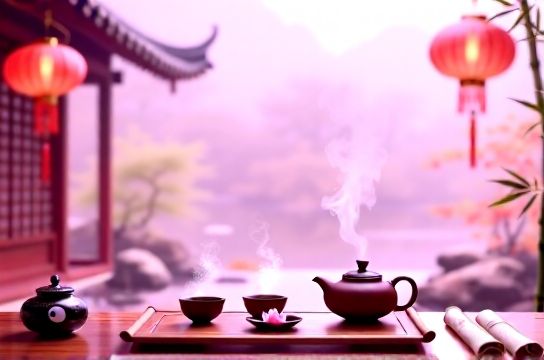
From the misty mountains of Fujian to the serene courtyards of Beijing, every sip tells a story rooted in Daoism, Confucianism, and Buddhism. Let’s steep ourselves in the deeper meaning behind this beloved brew.
The Philosophy in Every Leaf
Chinese tea culture doesn’t rush. It breathes. This slow, intentional practice reflects Daoist ideals—going with the flow, embracing natural order, and finding stillness in motion. The act of brewing tea mirrors wu wei (无为), or 'effortless action.' You don’t force the water or rush the leaves. You wait. You observe. And in that pause, clarity emerges.
Confucianism shows up in the etiquette: serving elders first, bowing slightly, using both hands when offering a cup. These gestures aren’t just polite—they reinforce social harmony, hierarchy, and mutual respect.
And then there’s Buddhism. Monks have used tea for centuries to stay alert during meditation. The Zen tradition values presence, and tea drinking becomes a form of moving meditation—each step, from heating the water to pouring the liquor, done with full attention.
Tea Types & Their Philosophical Roots
Different teas carry different energies, each aligned with philosophical principles. Here’s how some popular varieties connect to deeper ideas:
| Tea Type | Oxidation Level | Flavor Profile | Philosophical Link |
|---|---|---|---|
| Green Tea (e.g., Longjing) | Low (0-10%) | Grassy, fresh, delicate | Represents purity and youth—aligned with Daoist reverence for nature’s original state. |
| Oolong Tea (e.g., Tieguanyin) | Partial (15-70%) | Floral, creamy, complex | Balance between yin and yang—perfectly embodies moderation, a key Confucian virtue. |
| Black Tea (e.g., Keemun) | High (80-100%) | Malty, robust, warm | Symbolizes transformation and fullness—resonates with Buddhist ideas of change and impermanence. |
| White Tea (e.g., Bai Hao Yinzhen) | Very Low (5-10%) | Subtle, sweet, soft | Minimal processing reflects wu wei—doing less to achieve more. |
The Ritual: A Meditation in Motion
Take the Gongfu Cha ceremony—a traditional method using small clay teapots and multiple short steeps. It’s not about speed or quantity. It’s about quality, patience, and repetition. Each infusion reveals new layers, much like life itself.
This practice teaches us that meaning isn’t found in the first rush, but in the gradual unfolding. As the tea leaves open, so do we.
Modern Life, Ancient Wisdom
In today’s fast-paced world, tea offers a counterbalance. A 2023 study by the China Tea Association found that regular tea drinkers report 23% lower stress levels than non-drinkers. Why? Because the ritual forces you to slow down—even if just for five minutes.
So next time you brew a cup, don’t gulp it at your desk. Sit. Breathe. Notice the color, the aroma, the warmth. Let it be a mini-retreat grounded in millennia of thought.
As the old saying goes: "The fragrance of tea lingers longer than words." In that silence, you’ll hear the whispers of philosophers past—reminding you to live with grace, balance, and presence.