
How Locals Start Their Day in Chinese Cities
- Date:
- Views:247
- Source:The Silk Road Echo
If you've ever wondered how the hustle in Chinese cities kicks off each morning, you're not alone. From steaming bowls of congee to the rhythmic beat of tai chi in city parks, locals have a daily routine that blends tradition, efficiency, and just the right amount of caffeine (or tea!). Let’s dive into what really fuels the first hours of the day across major Chinese urban centers like Beijing, Shanghai, Chengdu, and Guangzhou.
The Early Rhythm: What Time Do People Actually Wake Up?
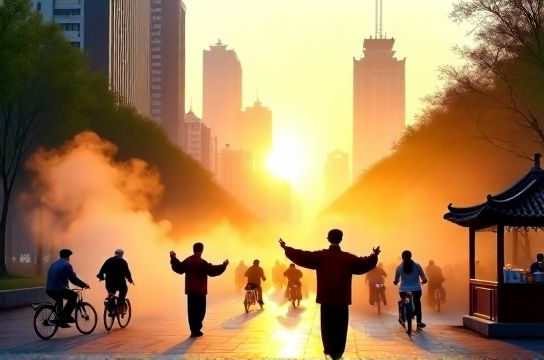
In China, mornings start early—especially in tier-1 cities. Most office workers rise between 6:30 and 7:30 AM, with commuters often leaving home by 7:45 to avoid brutal traffic. But it's not all about work. Retirees? They’re up by 5:30 AM, claiming their spots in parks for morning exercises.
| City | Avg. Wake-up Time (Workforce) | Popular Morning Activity |
|---|---|---|
| Beijing | 7:00 AM | Tai Chi & Square Dancing |
| Shanghai | 7:15 AM | Jogging & Coffee Runs |
| Chengdu | 7:30 AM | Tea House Chats |
| Guangzhou | 6:45 AM | Dim Sum Prep |
Fuel Up: Breakfast Like a Local
You won’t find cereal boxes dominating Chinese breakfast tables. Instead, it’s all about warm, savory, and fast eats. Street vendors fire up their griddles before sunrise, serving staples like:
- Jianbing – The ultimate on-the-go crepe, packed with egg, crispy wonton, and chili sauce (calories: ~350).
- Youtiao – Deep-fried dough sticks, best dunked in soy milk (~280 cal).
- Baozi – Steamed buns stuffed with pork, veggies, or red bean paste (~200–300 cal).
In Guangdong, dim sum isn’t just for weekends—locals grab shrimp dumplings and rice rolls as early as 6 AM from neighborhood teahouses.
Coffee vs. Tea: The Morning Brew Battle
While older generations swear by hot jasmine or pu’er tea, China’s youth are embracing coffee culture. Starbucks has over 6,900 stores in China, but local chains like Manner Coffee and Seesaw are winning hearts with affordable artisan brews. In Shanghai, nearly 40% of office workers grab a takeaway latte before 9 AM.
Park Life: Where Fitness Meets Community
Urban parks double as morning wellness hubs. In Beijing’s Ritan Park, hundreds gather for tai chi, martial arts, and even group singing. It’s social, spiritual, and surprisingly effective cardio. Meanwhile, in Chengdu, retirees play chess and practice qigong under ancient banyan trees—proof that slow living thrives amid city chaos.
Commute Culture: How People Get Moving
Public transit is king. With subway systems in top cities carrying over 30 million riders daily, efficiency is everything. Many use commute time wisely—reading novels, practicing English on apps, or catching up on Douyin (China’s TikTok). E-bikes? A game-changer. Over 350 million are in use nationwide, zipping through traffic with ease.
Why This Matters for Travelers
Want an authentic experience? Skip the tourist traps and join the local rhythm. Wake up early, hit a street food stall, sip tea in a park, and observe the city come alive. You’ll see a side of China rarely captured in guidebooks.
So next time you're in a Chinese city, don’t sleep in. The real magic happens at dawn.