
Bike Commuting Culture in Contemporary China
- Date:
- Views:218
- Source:The Silk Road Echo
In the past decade, bike commuting in China has transformed from a nostalgic memory of the 'Kingdom of Bicycles' into a sleek, tech-driven urban lifestyle. Once overshadowed by rapid motorization, cycling is making a powerful comeback—fueled by smart mobility, environmental awareness, and government support.
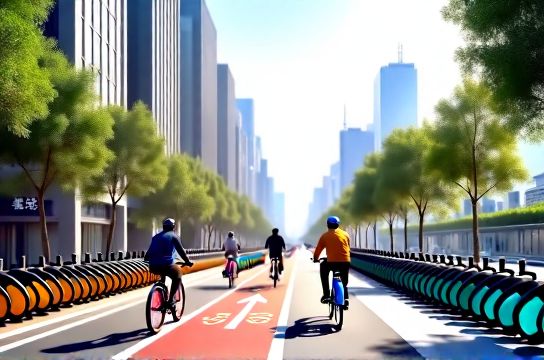
Today, cities like Beijing, Shanghai, and Hangzhou are embracing bikes not just as transport, but as symbols of sustainable urban living. With over 300 million shared bikes deployed nationwide since 2016, according to iResearch, two-wheeled travel is more accessible than ever.
The Rise of the Smart Bike
Gone are the clunky steel frames and lost keys. Enter dockless e-bikes with GPS tracking, QR-code unlocks, and real-time app integration. Companies like Meituan Bike and Hellobike dominate the market, offering rides for as low as ¥1.5 ($0.20) per 30 minutes.
This digital revolution didn’t just bring convenience—it reshaped how people move. A 2023 survey by the China Urban Transport Development Report found that 68% of short urban trips under 5 km now happen via shared bicycles or e-bikes.
Why Are More People Pedaling?
- Traffic relief: In Shanghai, average rush-hour speeds dip below 15 km/h. Bikes bypass jams effortlessly.
- Health perks: Regular riders report 20–30% better cardiovascular fitness (National Health Commission, 2022).
- Eco-impact: Each bike ride replaces ~1.2 kg of CO₂ emissions compared to a car trip.
Bike-Friendly Cities: Who’s Leading the Pack?
Not all cities are created equal when it comes to cycling infrastructure. Here’s how top Chinese cities stack up:
| City | Bike Lanes (km) | Shared Bikes (thousands) | % Commuters Cycling |
|---|---|---|---|
| Hangzhou | 2,500 | 480 | 18% |
| Beijing | 1,800 | 600 | 12% |
| Shanghai | 1,650 | 550 | 10% |
| Chengdu | 2,200 | 400 | 15% |
Hangzhou stands out with its lake-side greenways and seamless public transit integration. Meanwhile, Beijing struggles with lane encroachment by parked cars—a common urban challenge.
Challenges on the Road
Despite progress, hurdles remain. E-bike battery fires, reckless riding, and sidewalk clutter have sparked safety debates. In 2022, Guangzhou banned e-bike use on certain roads after a spike in accidents.
Yet, experts argue the solution isn’t restriction—but smarter planning. As Dr. Li Wenjun of Tongji University puts it: “Cycling culture thrives when cities design for people, not just vehicles.”
The Future is Two-Wheeled
With China aiming for carbon peak by 2030, bikes are more than transport—they’re part of a greener vision. New policies promote ‘15-minute livable communities,’ where work, shops, and parks are within biking distance.
And let’s be real—there’s something quietly rebellious about choosing pedals in a world obsessed with speed. In a bustling metropolis, a bike ride offers clarity, freedom, and yes, a little wind in your hair.
So next time you're in China, skip the taxi. Unlock a bike, join the silent revolution, and feel the city breathe beneath your wheels.