
Living Without Cars in a Traditional Hutong
- Date:
- Views:195
- Source:The Silk Road Echo
Imagine trading honking horns for the soft chime of bicycle bells, swapping exhaust fumes for the scent of jianbing pancakes sizzling on a street cart. That’s life in Beijing’s hutongs—centuries-old alleyways where cars are more hassle than help, and walking or cycling isn’t just eco-friendly, it’s the heartbeat of daily rhythm.
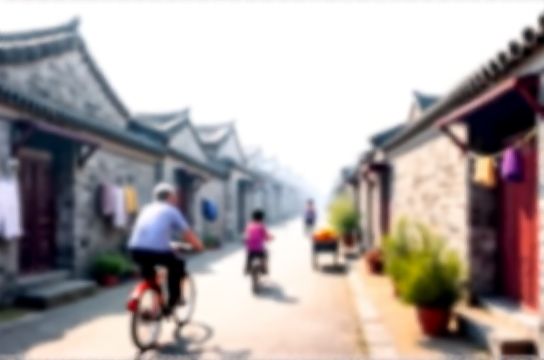
Living without a car in a traditional hutong isn’t just possible—it’s often better. With narrow lanes sometimes barely wide enough for two people to pass, many hutongs ban motor vehicles altogether. But don’t worry: what they lack in parking spots, they make up for in charm, community, and unbeatable access to city life.
The Numbers Don’t Lie: Why Going Car-Free Makes Sense
According to Beijing’s Municipal Commission of Transport, over 60% of residents in central urban districts rely primarily on public transit, bikes, or walking. In hutong neighborhoods like Nanchangzi or Badaoying, that number jumps closer to 85%. Here’s a quick snapshot:
| Mobility Mode | Average Speed (km/h) | Daily Cost (CNY) | CO₂ Emissions (g/km) |
|---|---|---|---|
| Walking | 5 | 0 | 0 |
| Cycling | 15 | 1–3 (shared bikes) | 0 |
| Subway | 35 | 4–6 | 25 |
| Car (Peak Hour) | 12 | 50+ (fuel, parking, tolls) | 190 |
Yep—your legs and a shared bike beat traffic any day. Plus, ditching the car saves you thousands annually while slashing your carbon footprint.
Getting Around: The Hutong Way
Forget GPS. In the hutong, navigation is tactile. You learn landmarks: the red door with the crooked number 7, the grandma selling baozi every morning, the hidden courtyard temple with peony blossoms peeking over the wall.
- Biking: Dockless bikes from Meituan or Hello Bike are everywhere. Just scan, ride, and lock. Smooth pavement? Not always. But the freedom is priceless.
- Subway & Bus: Most hutongs are within a 10-minute walk of a subway station. Line 6 and Line 8 weave through historic districts, connecting you to malls, offices, and parks in minutes.
- Electric Scooters: Quiet, zippy, and increasingly common. Perfect for hauling groceries or beating the summer heat.
But What About Groceries? Or Emergencies?
Great question. Locals use a mix of smart solutions:
- Daily Markets: Fresh veggies, meat, and dumplings steps from your door. No weekly haul needed.
- Delivery Apps: Meituan, JD Now, and Alibaba’s Hema deliver groceries in under 30 minutes. Many locals order dinner by voice command before they even leave work.
- Community Networks: Need a hand carrying heavy bags? Your neighbor probably has a foldable cart—or will walk with you.
Why It Feels So Good
Life slows down—but doesn’t stall. Kids play hopscotch in the alleys. Elders practice tai chi at sunrise. There’s a rhythm, a human scale missing in car-dominated cities. And safety? With no speeding sedans, hutongs are among Beijing’s safest neighborhoods for pedestrians.
In fact, a 2023 study by Tsinghua University found that residents in low-traffic hutong zones reported 30% higher life satisfaction compared to high-vehicle-traffic areas.
Final Thoughts
Living without a car in a Beijing hutong isn’t a sacrifice—it’s a step toward a richer, more connected life. You’ll walk more, breathe easier, and actually know your neighbors. Sure, you might carry groceries uphill once in a while. But you’ll also smell jasmine in summer, hear laughter echo off gray-brick walls, and feel part of something real.
So next time you think ‘urban convenience,’ picture this: no keys, no gas, no stress. Just you, a bike, and a city that moves at human speed.