
How Tea Farmers Live in Fujian Province China
- Date:
- Views:261
- Source:The Silk Road Echo
Nestled in the lush, misty hills of southeastern China, Fujian Province is a paradise for tea lovers—and for the hardworking farmers who grow some of the world’s most prized leaves. From the famous oolong of Anxi to the delicate white teas of Fuding, life for tea farmers here is deeply rooted in tradition, rhythm, and resilience.
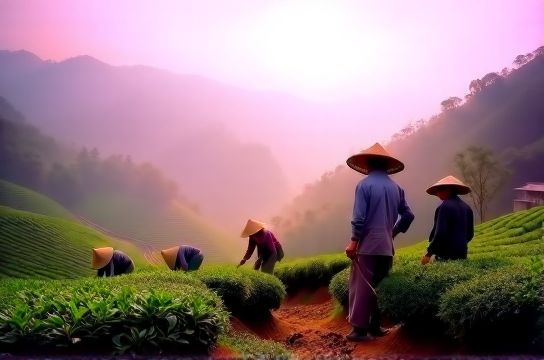
But what’s it really like to be a tea farmer in Fujian? Let’s steep into their daily lives, challenges, and rewards.
The Rhythm of the Seasons
Tea farming in Fujian follows nature’s clock. Spring is king—the most crucial season. April through May brings the first flush, when tender tea buds burst forth after winter dormancy. This is when farmers work around the clock, hand-picking leaves at dawn when moisture and aroma peak.
Fall offers a second, milder harvest. Summer and winter? Mostly for maintenance—pruning, soil care, and preparing for the next cycle.
A Day in the Life
Imagine waking at 5 a.m., grabbing a quick bite of porridge, then hiking up fog-draped slopes with a bamboo basket slung over your shoulder. That’s Maria Lin, a third-generation tea grower from Anxi. 'The best oolong must be picked before 9 a.m.,' she says. 'Sunlight changes everything.'
After harvesting, the real art begins: withering, rolling, oxidizing, and roasting. Many families still use semi-traditional methods passed down for generations. It’s labor-intensive but preserves flavor complexity machines can’t replicate.
Income & Challenges
While Fujian produces over 400,000 tons of tea annually (China’s National Tea Committee, 2023), profits aren’t evenly brewed. Smallholders often earn between $3,000–$7,000 per year—modest by urban standards, but sustainable with frugal living and homegrown food.
Yet climate change, rising labor costs, and market competition are brewing trouble. Young people increasingly migrate to cities, leaving aging farmers to carry on.
| Tea Type | Main Region | Annual Yield (tons) | Market Price (USD/kg) |
|---|---|---|---|
| Oolong | Anxi | 80,000 | 20–100 |
| White Tea | Fuding | 12,000 | 15–60 |
| Black Tea (Keemun-style) | Wuyishan | 6,500 | 25–80 |
Culture & Community
Tea isn’t just a crop—it’s identity. Festivals like the Anxi Tea Ceremony celebrate heritage with drum dances, tea tastings, and ancestral rituals. Cooperatives help small farmers pool resources and access export markets.
Tourism is also steeping in. 'Agri-tea tourism' lets visitors pick leaves, roast tea, and stay in farm homestays—adding vital income and cultural exchange.
The Future Brews On
Despite challenges, many remain hopeful. Government subsidies, organic certification programs, and e-commerce (like live-streamed tea sales on Douyin) are helping farmers reach global drinkers directly.
As one elder farmer told me: 'Tea teaches patience. You nurture the bush, and it nurtures you back.'
In Fujian, every cup tells a story—one of misty mountains, calloused hands, and centuries of quiet dedication.