
Daily Commutes and Life in Chinese Megacities
- Date:
- Views:245
- Source:The Silk Road Echo
Navigating life in China's megacities? Buckle up—because the daily grind here is equal parts chaos, efficiency, and cultural spectacle. From Beijing’s gridlocked ring roads to Shanghai’s lightning-fast metro, urban living in cities like Shenzhen and Guangzhou blends futuristic infrastructure with human hustle. Let’s break down what it *really* feels like to commute and survive (thrive?) in one of the world’s most densely populated urban landscapes.
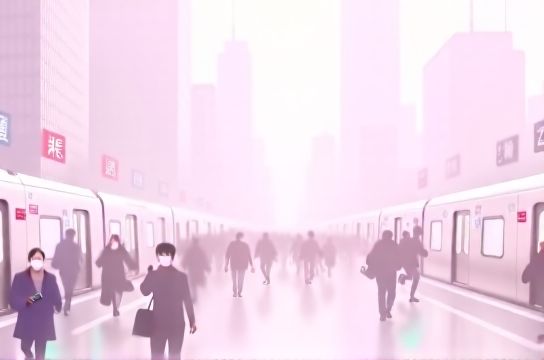
The Commute: A Ballet of Bikes, Buses, and Bullet Trains
If you’ve never squeezed into a subway car during morning rush hour in Beijing, you haven’t truly lived—or at least, you haven’t truly sweated. The average commuter in Shanghai spends 45 minutes one-way getting to work, according to a 2023 report by Gaode Maps. In Beijing, that jumps to nearly 52 minutes, thanks to its sprawling layout and traffic congestion.
But here’s the twist: despite the crowds, public transit in these cities is shockingly efficient. Take the Shanghai Metro—it’s the longest metro system in the world, with over 800 kilometers of track and 17 lines. And it’s clean, punctual, and packed like a can of sardines at peak times.
Commute Times & Transit Usage in Top 5 Chinese Megacities
| City | Avg. One-Way Commute (min) | Public Transit Usage (%) | Metro Length (km) |
|---|---|---|---|
| Shanghai | 45 | 62% | 809 |
| Beijing | 52 | 58% | 783 |
| Shenzhen | 40 | 55% | 419 |
| Guangzhou | 44 | 60% | 621 |
| Chongqing | 48 | 50% | 450 |
Source: Gaode Maps Urban Transport Report 2023
Life Beyond the Commute
Living in a Chinese megacity isn’t just about surviving rush hour—it’s about adapting to a lifestyle where convenience meets intensity. Need groceries? Apps like Meituan deliver food in under 30 minutes. Want to pay for your subway ride? Just wave your phone or even your face at the scanner (yes, facial recognition payment is real and wildly popular).
Housing? That’s another beast. In Shanghai, the average price per square meter hits ¥68,000 (~$9,400 USD), pushing many young professionals to live on the outskirts. But here’s the silver lining: even distant neighborhoods are connected via high-speed metro lines, making dormitory towns surprisingly livable.
Culture in the Fast Lane
Despite the pace, these cities pulse with culture. Street markets buzz beside skyscrapers. Morning tai chi sessions unfold in parks while office workers sip bubble tea en route to co-working spaces. There’s a rhythm to the madness—one that rewards those who learn to flow with it.
And let’s not forget the food. From 24-hour dumpling spots to Michelin-recognized street vendors, eating well is never more than a 10-minute walk (or 5-minute bike-share ride) away.
The Bottom Line
Life in China’s megacities is fast, furious, and fiercely modern—but deeply human. The commute might drain you, but it also connects you to millions moving in the same direction, chasing the same dreams. If you can handle the rush, the reward is a front-row seat to the future of urban living.