
Finding Peace in a Chinese Tea House Experience
- Date:
- Views:204
- Source:The Silk Road Echo
Ever felt like the world’s spinning too fast? Phones buzzing, emails piling up, life on overdrive? Yeah, we’ve all been there. But what if I told you there’s a quiet escape rooted in centuries of tradition—right in the heart of a Chinese tea house? It’s not just about sipping tea; it’s a full-on sensory reset.
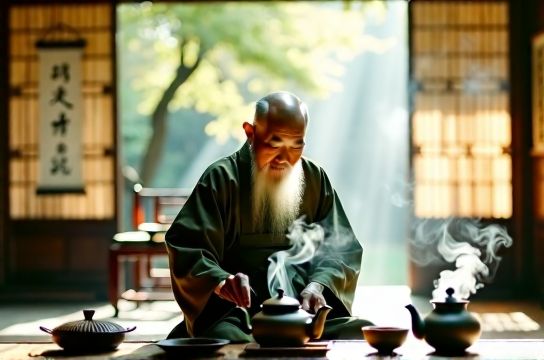
Let’s talk real for a sec: modern stress is no joke. According to the World Health Organization, chronic stress contributes to nearly 60% of all human illness. Enter the ancient Chinese art of tea drinking—a ritual that’s less about caffeine and more about mindfulness. In China, tea isn’t rushed. It’s revered. And stepping into a traditional tea house is like hitting pause on chaos.
Tea culture in China dates back over 4,000 years. From emperors to monks, everyone’s used tea as a bridge to inner peace. Today, whether you’re in bustling Beijing or tucked away in a Hangzhou alley, the experience remains deeply meditative. The soft clink of porcelain, the steam curling from the pot, the earthy aroma of oolong or the floral whisper of jasmine—it all works together like a warm hug for your nervous system.
But don’t just take my word for it. Check out this breakdown of popular Chinese teas and their calming effects:
| Tea Type | Caffeine Level (mg/cup) | Flavor Profile | Known For |
|---|---|---|---|
| Green Tea (Longjing) | 20–35 | Grassy, fresh | Antioxidants, clarity |
| Oolong Tea | 30–50 | Floral, smooth | Balancing energy |
| Jasmine Tea | 25–40 | Sweet, fragrant | Stress relief |
| Pu-erh Tea | 60–70 | Earthy, bold | Digestion, grounding |
Now, here’s the kicker: a study published in the Journal of Nutrition found that people who drank green tea daily reported 20% lower stress levels than non-tea drinkers. That’s not magic—that’s chemistry. L-theanine, an amino acid in tea, promotes alpha brain waves, which are linked to relaxed alertness. No crash, no jitters—just calm focus.
So how do you actually *do* the tea house thing? Simple. First, pick a place that values tradition—wooden furniture, soft lighting, maybe even a koi pond in the courtyard. Once seated, let the tea master guide you. Most sessions follow the Gongfu Cha method—small pots, multiple short steeps, each revealing new layers of flavor. It’s slow. Intentional. Healing.
Pro tip: silence your phone. Seriously. This isn’t Instagram bait (though, okay, the setup is kinda photogenic). This is about presence. Breathe in the steam. Notice the color of the liquor. Sip slowly. Let your shoulders drop.
In a world obsessed with speed, the Chinese tea house whispers a different truth: peace isn’t found in doing more—it’s found in being still. So next time life feels heavy, skip the coffee run. Try a tea ceremony instead. Your mind will thank you.