
The Art of Making Tea in Southern China
- Date:
- Views:295
- Source:The Silk Road Echo
If you've ever sipped a warm, fragrant cup of tea in the misty hills of Guangdong or watched an elder perform a meticulous gongfu cha ritual in Fujian, you know—tea in Southern China isn’t just a drink. It’s a philosophy, a daily meditation, and a centuries-old art form passed down through generations.
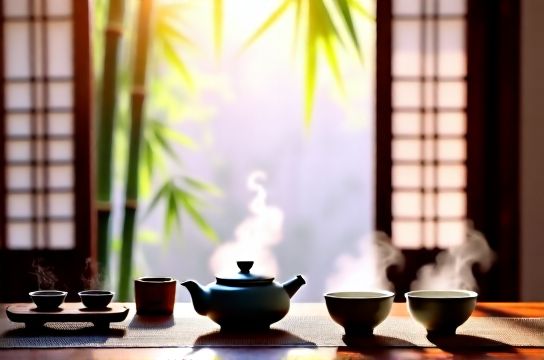
Southern China—home to provinces like Fujian, Guangdong, and Yunnan—is the beating heart of Chinese tea culture. From oolongs that bloom like flowers in your teapot to rich, fermented pu-erh aged for decades, this region offers some of the most diverse and nuanced teas on Earth.
The Tea Varieties That Define the South
What makes Southern Chinese tea so special? Let’s break it down:
- Oolong Tea: Partially oxidized, offering a perfect middle ground between green and black tea. Famous examples include Tieguanyin from Fujian and Dancong from Chaozhou.
- Pu-erh Tea: A fermented tea from Yunnan, prized for its earthy depth and ability to age like fine wine.
- Green Teas: Though less dominant here, varieties like Biluochun still hold cultural significance.
- White Teas: Delicate and minimally processed, often made in Fujian (e.g., Baihao Yinzhen).
Gongfu Cha: The Ritual Behind the Brew
No discussion of Southern Chinese tea is complete without mentioning gongfu cha—the 'skillful tea' brewing method. This isn’t your average tea bag dunk. It’s a precise, almost theatrical process involving small clay teapots (usually Yixing), multiple short steeps, and a deep respect for water temperature and timing.
Why go through all this trouble? Because each steep reveals a new layer of flavor—from floral highs to roasted lows—turning tea drinking into a sensory journey.
Tea-Making Hotspots You Should Know
| Region | Famous Tea | Oxidation Level | Flavor Profile |
|---|---|---|---|
| Anxi, Fujian | Tieguanyin | 30–50% | Floral, creamy, orchid-like |
| Wuyi Mountains | Daan Yan Cha (Rock Oolong) | 60–80% | Roasted, mineral, smoky |
| Chaozhou, Guangdong | Dancong | 40–60% | Fruity, honeyed, complex |
| Xishuangbanna, Yunnan | Raw Pu-erh (Sheng Cha) | Post-fermented | Grassy, bitter-sweet, evolving |
These regions don’t just grow tea—they shape it. The terroir, altitude, and artisan techniques all play roles in creating teas with distinct personalities.
Modern Twists on an Ancient Craft
While tradition reigns supreme, modern Southern China is also innovating. Young tea masters are blending heritage methods with contemporary aesthetics—think minimalist tea houses in Shenzhen or Instagram-famous tea-tasting pop-ups in Guangzhou.
Yet, at its core, tea-making remains deeply personal. As one Chaozhou elder told me: “If you rush tea, you miss life.”
So next time you brew a cup, take a breath. Heat the water right. Steep with intention. Because in Southern China, tea isn’t just about taste—it’s about presence.