
Tea Culture in Hangzhou: Sipping Longjing Amidst Lush Green Terraces
- Date:
- Views:285
- Source:The Silk Road Echo
If you’ve ever dreamed of sipping the world’s most famous green tea straight from its birthplace, then Hangzhou should be at the top of your travel list. Nestled in China’s Zhejiang Province, this scenic city isn’t just about West Lake and poetic sunsets—it’s a living, breathing temple to tea culture, especially when it comes to Longjing, or Dragon Well tea.
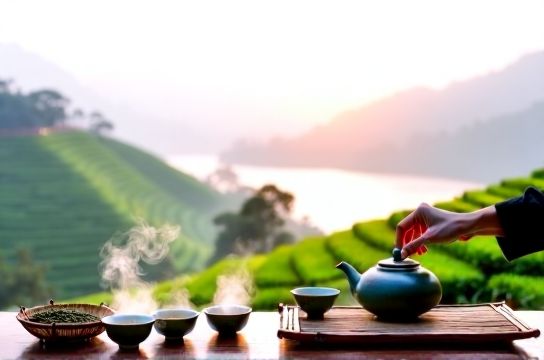
Imagine this: rolling hills blanketed in emerald-green tea terraces, mist curling gently between rows of carefully tended bushes, and farmers hand-picking leaves under the soft morning light. That’s Longjing Village, just a short ride from downtown Hangzhou, where tea isn’t just a drink—it’s a way of life.
Longjing tea has been around since the Song Dynasty, but it really hit the big time during the Qing Dynasty when Emperor Qianlong declared it his favorite. Legend says he even gave the original eighteen tea trees royal status after visiting the area. Today, those trees still exist, and their leaves? Auctioned for crazy prices—sometimes more than gold by weight!
But here’s the cool part: you don’t need imperial status to enjoy authentic Longjing. Locals and visitors alike flock to tea houses around West Lake or take guided tours up into the hills to see how it’s done. The process is an art—plucked only in early spring (think late March to April), the leaves are pan-fired by hand in giant woks to stop oxidation. The result? A delicate, nutty flavor with a smooth finish that lingers like a good conversation.
And let’s talk taste. Real Longjing isn’t bitter. Nope. It’s fresh, slightly sweet, with hints of chestnut and grass—like springtime in a cup. To get the best brew, use water just under boiling (around 80°C) and steep for 1–2 minutes. Overdo it? You’ll kill the flavor. Respect the leaf, and it’ll reward you.
Tea culture in Hangzhou goes beyond drinking, though. It’s about mindfulness. Sitting in a quiet pavilion overlooking the terraces, watching steam rise from your cup, you start to get it—the harmony, the patience, the connection to nature. Some tea masters even perform traditional Gongfu ceremonies, turning brewing into a performance.
Visiting during the spring harvest? Lucky you. You might even try your hand at picking leaves or roasting them over hot pans. It’s harder than it looks, but so worth it when you sip tea made from your own work.
Whether you're a hardcore tea geek or just someone who appreciates a peaceful moment, Hangzhou delivers. The city blends natural beauty, history, and sensory delight in a way few places can. And yes—every cup of Longjing tastes better when you’re surrounded by the very hills it came from.
So next time you plan a trip to China, skip the crowded tourist traps and head to Hangzhou. Sip slow, breathe deep, and let the tea tell you its story.