
Tea Culture China From Leaf to Cup in Fujian Province
- Date:
- Views:259
- Source:The Silk Road Echo
When it comes to tea culture in China, one name stands out like a fragrant breeze through misty mountains — Fujian Province. Nestled along the southeastern coast, Fujian isn’t just a tea lover’s paradise; it’s the beating heart of Chinese oolong, white, and black teas. From delicate Silver Needle to bold Tieguanyin, this region turns every sip into a story.
Why Fujian Reigns Supreme in Tea Culture
Fujian’s unique geography — humid subtropical climate, red soil, and rolling hills — creates the perfect environment for tea cultivation. Over 80% of China’s oolong tea comes from here, and it’s also the birthplace of some of the world’s most prized white teas.
But it’s not just about nature. Fujianese tea-making is an art passed down through generations. Farmers still hand-pluck leaves at dawn, and traditional roasting methods are used to bring out complex flavors. Whether you're sipping a floral Da Hong Pao or a honey-sweet Golden Monkey, you’re tasting centuries of craftsmanship.
Top Teas You Must Try from Fujian
Let’s break down the big players:
| Tea Name | Type | Flavor Profile | Caffeine Level | Average Price (per 50g) |
|---|---|---|---|---|
| Tieguanyin | Oolong | Floral, creamy, with orchid notes | Moderate | $12–$30 |
| Da Hong Pao | Rock Oolong | Toasty, mineral, roasted chestnut | High | $50–$200+ |
| Baihao Yinzhen (Silver Needle) | White | Delicate, sweet, cucumber-like | Low | $25–$60 |
| Golden Monkey | Black | Malty, fruity, with honey finish | High | $15–$35 |
As you can see, Fujian offers something for every palate — from light and airy whites to bold, full-bodied oolongs that punch you in the flavor zone.
The Ritual: Gongfu Cha, Fujian Style
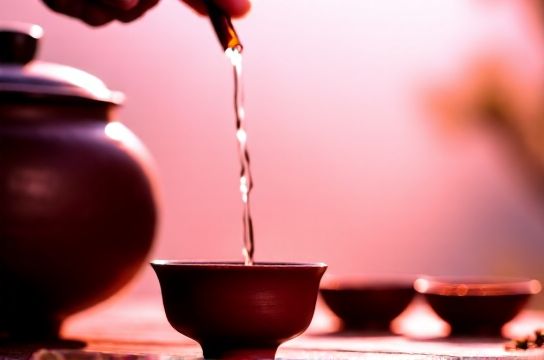
Drinking tea in Fujian isn’t just hydration — it’s a ceremony. The Gongfu Cha method, meaning “making tea with skill,” involves small clay teapots, multiple short steeps, and a deep respect for timing and temperature.
Here’s how locals do it:
- Rinse leaves with hot water (awakens the aroma)
- First steep: 15–20 seconds
- Gradually increase time with each infusion (up to 7+ steeps!)
- Serve in tiny cups — sip slowly, savor deeply
This method extracts layers of flavor you’d miss with a regular brew. It’s like listening to a symphony in your mouth — first movement soft, second bold, third unforgettable.
Where to Experience Authentic Tea Culture
If you’re planning a trip, head to Wuyi Mountains for rock oolongs or Fuding for white tea plantations. Many farms offer tours where you can pick leaves, watch processing, and taste straight from the wok.
Pro tip: Visit in spring (March–April) when the first harvest brings the freshest, most aromatic leaves.
Final Sip
Fujian’s tea culture isn’t just about drinking — it’s about connection. To leaf, to land, to people. Every cup tells a tale of misty peaks, skilled hands, and slow, mindful moments.
So next time you brew a pot, don’t rush it. Breathe it in. That’s Fujian calling.