
Immersing in Tea Culture China A Quiet Moment in Hangzhou
- Date:
- Views:208
- Source:The Silk Road Echo
If you've ever sipped a cup of Longjing tea and wondered about its story, then Hangzhou is calling your name. Nestled in eastern China’s Zhejiang Province, Hangzhou isn’t just a city of poetic lakes and willow-lined paths — it’s the soul of Chinese tea culture. And at the heart of it all? Longjing (Dragon Well) green tea, one of China’s most celebrated brews.
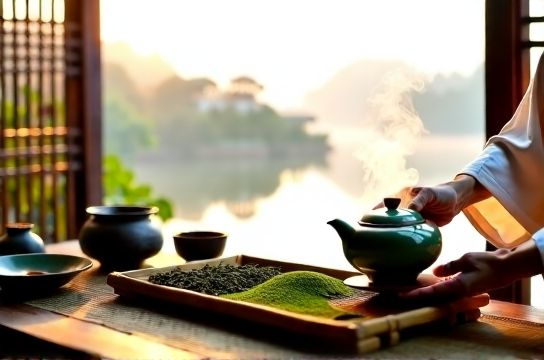
But this isn’t just about drinking tea. It’s about living it — from misty morning harvests to quiet afternoons steeped in tradition. Let’s dive into how you can truly immerse yourself in tea culture in Hangzhou, one mindful sip at a time.
Why Hangzhou? The Heartbeat of Chinese Tea
Hangzhou has been synonymous with premium tea for over 1,200 years. The West Lake area, a UNESCO World Heritage Site, cradles the finest Longjing plantations. In fact, authentic Xihu Longjing (West Lake Dragon Well) is protected by geographical indication — only tea grown in designated zones around the lake can carry the name.
According to the Hangzhou Municipal Bureau of Agriculture, the region produces roughly 300 tons of Longjing annually, with top-grade leaves fetching up to ¥10,000 per kilogram during early spring harvests.
Your Ultimate Tea-Centric Itinerary
1. Visit Meijiawu Tea Village
Just a short taxi ride from downtown, Meijiawu is one of the largest Longjing-producing villages. Here, you can tour terraced fields, chat with local farmers, and even try your hand at hand-roasting tea leaves over a wok.
2. Sip Serenity at a Traditional Teahouse
Head to Lugou Xiangyu near West Lake — a tranquil teahouse where locals unwind with a pot of freshly brewed Longjing. The soft rustle of bamboo, the clink of porcelain, and the aroma of steamed green tea create a moment of zen.
3. Join a Tea Ceremony Workshop
Places like the China National Tea Museum offer immersive sessions on gongfu cha (the 'art of tea'). You’ll learn water temperature control, leaf-to-water ratios, and the graceful choreography behind each pour.
Tea Tasting Guide: What Makes Longjing Special?
Longjing isn’t just green — it’s emerald gold. Its flat, sword-shaped leaves unfurl into a pale jade liquor with a chestnut-like sweetness and a whisper of floral freshness. But not all Longjing is created equal.
Here’s a quick breakdown of grades and characteristics:
| Grade | Harvest Time | Flavor Profile | Price Range (per 50g) |
|---|---|---|---|
| Mingqian (Pre-Qingming) | Early April | Bright, sweet, delicate | ¥300–¥1,000 |
| Yuqian (Pre-Grain Rain) | Mid-April | Fuller body, slightly grassy | ¥150–¥300 |
| Standard Grade | Late April onward | Bolder, more astringent | ¥50–¥150 |
Pro tip: The earlier the harvest, the more tender the leaves — and the higher the price. Mingqian tea, picked before the Qingming Festival, is the crème de la crème.
Cultural Insights: Tea as a Way of Life
In Hangzhou, tea isn’t a beverage — it’s philosophy. It’s in the slow rhythm of roasting leaves over low heat. It’s in the silence between sips shared among friends. As the ancient saying goes: "One who drinks tea long enough will find peace."
Tea houses double as social hubs, where retirees play mahjong, poets write verses, and travelers pause to breathe. This isn’t performative culture — it’s lived experience.
Final Sip: Make It Personal
Don’t leave Hangzhou without buying a small batch of authentic Longjing. Look for vacuum-sealed packs labeled with origin and harvest date. Store it in a cool, dark place — and brew it right: 80°C water, 1:50 leaf-to-water ratio, steep for 2–3 minutes.
Whether you're a tea connoisseur or a curious traveler, Hangzhou offers a rare gift: a quiet moment in a noisy world. So slow down. Breathe in the steam. And let the taste of centuries unfold on your tongue.