
How Families Enjoy Tea Time in Modern China
- Date:
- Views:241
- Source:The Silk Road Echo
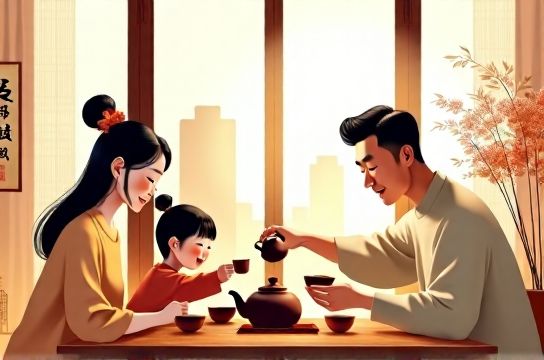
In modern China, tea time isn’t just about sipping a hot brew — it’s a cultural ritual that brings families together, bridges generations, and adds a moment of calm in the chaos of daily life. While the traditional image of tea might involve porcelain cups and solemn ceremonies, today’s Chinese families have reimagined tea time to fit fast-paced urban lifestyles — all while preserving its soul.
The Heart of the Home: Tea as Family Glue
Tea has long been more than a drink in China — it’s respect, warmth, and connection. In homes across cities like Beijing, Shanghai, and Chengdu, families still gather around the chahai (tea pitcher), especially during weekends or after dinner. But now, electric kettles sit beside handmade Yixing clay pots, and kids sip fruit-infused herbal blends while grandparents steep their favorite Tieguanyin.
A 2023 survey by the China Tea Marketing Association found that 68% of urban families enjoy tea together at least three times a week. Among them, over half said these moments help reduce stress and improve family communication.
Tea Habits Across Generations
What makes modern Chinese tea time special is how different generations blend tradition with convenience:
- Grandparents: Prefer classic oolong, pu-erh, or green tea, often brewed gongfu-style with multiple short steeps.
- Parents: Lean toward ready-to-drink bottled teas or quick-brew sachets during work breaks, but go traditional at home.
- Children & Teens: Love flavored teas — chrysanthemum with honey, jasmine with lychee, or even matcha lattes with milk.
Popular Teas in Today’s Chinese Households
Here’s a snapshot of the most consumed tea types in urban Chinese homes:
| Tea Type | Popularity (Urban Homes) | Common Brewing Style | Family Favorite For |
|---|---|---|---|
| Green Tea (e.g., Longjing) | 42% | Simple infusion, 80°C | Morning refreshment |
| Oolong (e.g., Da Hong Pao) | 35% | Gongfu style, multiple steeps | Weekend rituals |
| Pu-erh (fermented) | 28% | Boiled or aged infusion | Digestion after meals |
| Herbal/Floral (e.g., Chrysanthemum) | 50% | Single steep, hot or iced | Kids and elders alike |
Note: Percentages reflect household usage, not mutual exclusivity.
Modern Twists on Tradition
Busy parents aren’t ditching tea — they’re innovating. Smart tea infusers with temperature control, subscription boxes delivering monthly regional teas, and even ‘tea corners’ in apartments show how deeply this habit is rooted. Some families even turn tea time into mini-learning sessions — teaching kids about tea origins, health benefits, or proper pouring etiquette.
In Shenzhen, one mom shared: “We call it our ‘quiet hour.’ No phones, just tea and talk. Sometimes we play cards, sometimes we just watch the steam rise.”
Why This Ritual Still Matters
In a world of digital overload, Chinese families are holding onto tea time as a form of soft resistance — a way to slow down, reconnect, and pass down values without saying a word. It’s not about perfection; it’s about presence.
So whether it’s a $100 aged pu-erh or a simple cup of chrysanthemum from the local market, tea time in modern China remains a quiet act of love — one steep at a time.