
The Social Role of Tea Houses in Chinese Communities
- Date:
- Views:221
- Source:The Silk Road Echo
In the heart of every bustling Chinese neighborhood, tucked between narrow alleyways or nestled along lively streets, you’ll often find a tea house—a quiet sanctuary where time slows down and conversation flows as freely as oolong. Far more than just places to sip tea, these traditional spaces are cultural hubs that have shaped social life in China for centuries.
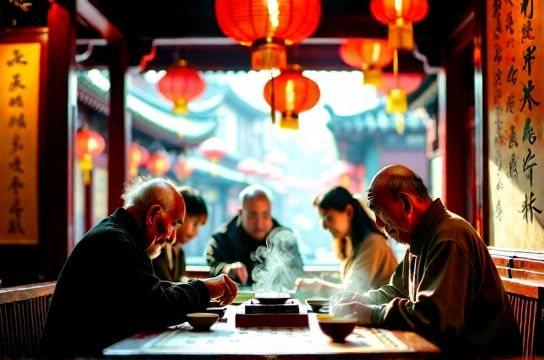
Tea houses aren’t merely about the brew—they’re about connection. In cities like Chengdu, Guangzhou, and Hangzhou, locals gather not just for morning tea but for gossip, business deals, chess matches, and even matchmaking. According to a 2023 survey by the China Tea Marketing Association, over 68% of urban residents aged 40+ visit a tea house at least once a week, primarily for social interaction rather than caffeine.
The Living Room of the Community
If your home is too small or too noisy, the tea house becomes your extended living room. In southern China, especially in Guangdong province, the tradition of “yum cha” (drinking tea) is a weekend ritual. Families pile into tea houses early in the morning, sharing dim sum and endless pots of chrysanthemum or pu’er tea.
But it’s not all family-friendly chatter. Tea houses also serve as informal meeting spots for retirees, artists, and small business owners. A study from Sun Yat-sen University found that 41% of local entrepreneurs in Foshan started their ventures through conversations initiated in tea houses.
Culture Served in a Teacup
From the delicate gongfu tea ceremonies in Fujian to the loud, lively teahouses of Sichuan where performers balance flaming wands on their eyes, each region adds its own flavor. These spaces preserve traditions that might otherwise fade in the rush of modernization.
Take Chengdu, for example. Its tea houses are legendary for fostering open dialogue. In parks like People’s Park, locals pay less than $1 for a seat and a cup of tea—and stay for hours. It’s democracy in action: no VIP sections, no dress code, just people from all walks of life sharing stories.
| City | Avg. Tea House Visit Duration (mins) | Most Popular Tea | Primary Social Activity |
|---|---|---|---|
| Chengdu | 150 | Jasmine Green Tea | Chatting & Mahjong |
| Guangzhou | 120 | Pu’er | Yum Cha with Family |
| Hangzhou | 90 | Longjing (Dragon Well) | Business Meetings |
| Xiamen | 110 | Tieguanyin | Gongfu Ceremony |
Modern Challenges & Revival
With the rise of coffee chains and digital isolation, some feared tea houses would vanish. But they’ve adapted. Today, many blend old and new—offering matcha lattes alongside traditional infusions, hosting poetry slams, or streaming live opera performances.
Younger generations are rediscovering them, not out of nostalgia, but because they crave what tech can’t give: face-to-face warmth. A 2022 report showed a 27% increase in tea house visits among adults under 30 in major Chinese cities.
In short, tea houses are more than relics—they’re resilient social engines. They remind us that community isn’t built in apps, but in shared moments over a steaming cup.