
The Art of Slow Living: How Tea Houses Reflect China’s Daily Philosophy
- Date:
- Views:267
- Source:The Silk Road Echo
Let’s be real—life moves fast. Between endless notifications, back-to-back meetings, and the pressure to ‘hustle,’ it’s easy to feel burnt out. But what if there was a cultural reset button? Enter China’s tea houses: quiet corners of calm where time slows down, conversations flow, and life makes a little more sense.
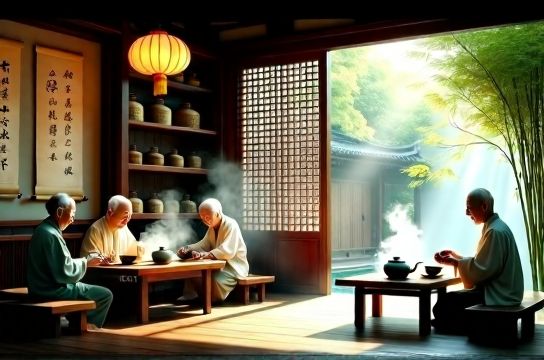
Forget fancy lattes or energy drinks—China’s been mastering the art of mindful living for centuries, one cup of tea at a time. In cities like Hangzhou, Chengdu, and Beijing, traditional tea houses aren’t just places to grab a drink—they’re sacred spaces rooted in philosophy, community, and presence.
Step inside a local tea house, and you’ll notice something different right away: no rush. People linger. They sip oolong or jasmine tea from delicate porcelain cups, chat with friends, play mahjong, or simply watch the steam rise. There’s no Wi-Fi obsession, no stressed-out vibes—just slow, intentional living.
This isn’t accidental. The idea of *slow living* is deeply woven into Chinese culture, especially through the practice of tea ceremonies. Rooted in Taoist and Buddhist traditions, drinking tea isn’t about caffeine—it’s about connection. To yourself, to others, and to the moment. As the saying goes, “One who drinks tea long enough will find peace.”
Tea houses act as modern-day sanctuaries. In bustling Shanghai, you’ll find hidden teahouses tucked behind alleyways, offering a retreat from skyscrapers and subways. In Chengdu, locals spend entire afternoons in garden-style teahouses, embracing *chengfu*—a laid-back lifestyle that values ease over efficiency.
And it’s not just about relaxation. These spaces foster real human interaction. No performative Instagram moments—just laughter, debate, and silence shared between sips. Grandparents teach kids how to smell the leaves; business deals are made over gongfu tea sets. It’s social glue, steeped in tradition.
What’s even cooler? This slow ritual has staying power because it works. Studies suggest that mindful practices—like preparing and enjoying tea—can reduce stress and improve mental clarity. So while the West races toward productivity hacks, China quietly reminds us: sometimes the most powerful thing you can do is… nothing.
Of course, modern life is creeping in. Chain cafes are popping up everywhere, and younger generations scroll phones even in teahouses. But there’s a counter-movement brewing. More urbanites are rediscovering tea culture—not as nostalgia, but as resistance to burnout.
From hand-picked leaves to the careful pour, every step in tea preparation teaches patience. And in a world obsessed with speed, that’s revolutionary.
So next time you’re overwhelmed, ask yourself: what would a tea house do? Probably encourage you to sit down, breathe, and taste your life—one slow, fragrant sip at a time.