
Tea Temples and Daily Rituals: Experiencing China's Time-Honored Tea Culture
- Date:
- Views:237
- Source:The Silk Road Echo
Let’s be real—when you think of China, chances are tea is one of the first things that comes to mind. But forget everything you know about grabbing a quick iced tea from a gas station. In China, tea isn’t just a drink—it’s a lifestyle, a spiritual practice, and honestly, kind of a big deal. From ancient tea temples tucked into misty mountains to grandmas brewing gongfu cha in apartment kitchens, tea culture here runs deep.
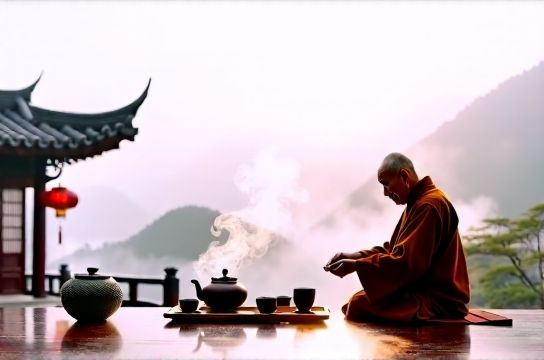
So what makes Chinese tea so special? It’s not just about the leaves (though yeah, those are amazing). It’s about the ritual. Picture this: delicate porcelain cups, steam rising from a hand-carved teapot, and someone pouring water with the focus of a Zen master. That’s gongfu cha—the art of making tea with skill, patience, and respect. Every movement matters. The water temperature? Critical. The steeping time? Precise. And trust me, once you’ve sipped a perfectly brewed oolong in a quiet courtyard, you’ll never look at tea the same way.
Now, let’s talk tea temples. These aren’t just tourist spots—they’re living spaces where tea, history, and mindfulness blend seamlessly. Places like the Longjing Tea Plantation near Hangzhou or the ancient tea houses along the Old Town streets of Dali aren’t just about selling tea. They’re cultural hubs. Locals come to meditate, chat, play chess, and yes—drink tea all day long. Some temples even host traditional tea ceremonies where monks guide visitors through every step, connecting them to centuries of heritage.
And it’s not all serious business. Walk into any local market or park at sunrise, and you’ll see retirees practicing tai chi with a thermos in hand. Street vendors serve hot jasmine tea in paper cups. Families gather around low tables during holidays, passing around the pot like it’s sacred (which, in a way, it is). Tea is everywhere—in daily routines, celebrations, and quiet moments of reflection.
The variety? Mind-blowing. Green tea like Longjing (Dragon Well) is fresh and grassy. Tieguanyin, a floral oolong, dances on your tongue. Pu-erh, aged and earthy, feels like drinking history. Each region has its star, and each type tells a story shaped by climate, tradition, and craftsmanship.
But here’s the best part: you don’t need to be a tea expert to enjoy it. Locals welcome curiosity. Ask questions. Try something new. Sit down, slow down, and let the tea do the talking. Because in China, tea isn’t about perfection—it’s about presence.
So whether you're sipping in a centuries-old temple or learning to brew from a friendly vendor in Beijing’s hutongs, one thing’s for sure: Chinese tea culture isn’t just preserved in books. It’s alive, evolving, and inviting everyone to take a seat—and a sip.