
Yinchuan’s Desert Oasis Markets: Life in the Arid Heartland
- Date:
- Views:207
- Source:The Silk Road Echo
If you think deserts are just endless sand and silence, Yinchuan is here to flip that script. Nestled along the Yellow River in northwest China, this vibrant city thrives where others see barrenness. Welcome to the Desert Oasis Markets of Yinchuan—a fusion of ancient trade spirit and modern survival wisdom, all under a blazing sun and starlit skies.
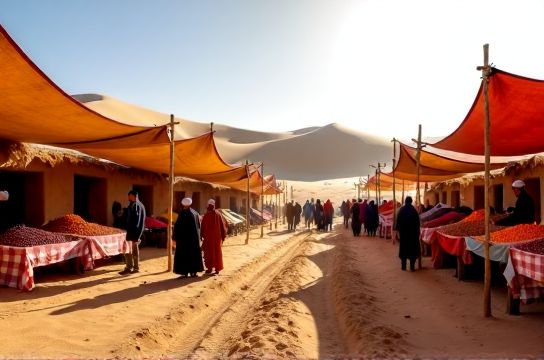
Far from being lifeless, Yinchuan’s markets pulse with color, scent, and sound. These aren’t your typical tourist bazaars—they’re living hubs where Bedouin-style traders, Hui Muslim merchants, and local farmers converge. Think dried goji berries stacked like rubies, handwoven camel wool scarves fluttering in the wind, and sizzling lamb skewers perfuming the air. It’s commerce rooted in centuries of Silk Road tradition, now adapting to climate change and digital age demands.
What makes these markets truly unique? They’re oases in every sense—geographic, economic, and cultural. Fed by irrigation from the Yellow River, they transform aridity into abundance. In fact, Ningxia (Yinchuan’s province) produces over 60% of China’s goji berries, many of which pass through these very stalls.
Must-Visit Markets & What to Buy
Let’s break down the top three markets that define Yinchuan’s desert economy:
| Market | Specialty | Best Time to Visit | Local Tip |
|---|---|---|---|
| Xingqing Market | Goji berries, organic dates | Saturday morning | Bargain after 2 PM for deals |
| Nanguan Mosque Bazaar | Hui cuisine, halal snacks | Sunset on Fridays | Try lamb mantou and milk tea |
| Shawei Handicraft Lane | Camel leather goods, silver jewelry | All week (closed Mondays) | Ask for family-made pieces |
Pro tip: Bring small bills. Many vendors don’t accept digital payments deep in the alleys—this is old-school barter territory.
Survival Meets Sustainability
Life in the arid heartland isn’t easy. Annual rainfall in Yinchuan averages just 200 mm (8 inches), yet these markets sustain thousands. How? Through ingenious water-saving techniques passed down generations. Farmers use buried clay pots for drip irrigation, and solar-powered coolers preserve goods without grid reliance.
And it’s not just physical survival—it’s cultural endurance. The Hui Muslim community dominates much of the trade, blending Islamic ethics with ecological mindfulness. You’ll often hear vendors say, “Waste not, even in plenty.”
Why This Matters Beyond Tourism
These markets are more than photo ops. They represent a blueprint for sustainable commerce in drylands—a model gaining global attention. According to UNESCO, Yinchuan’s oasis economy could inspire similar regions from Mongolia to Chad.
So next time you sip goji tea or wear a camel wool scarf, remember: it might’ve started in a desert market where resilience is currency, and every sale tells a story of survival.