
Hangzhou’s Tea Plantations: Plucking Leaves
- Date:
- Views:235
- Source:The Silk Road Echo
If you've ever sipped a cup of Longjing (Dragon Well) tea and felt like you were tasting spring itself, then a visit to Hangzhou’s tea plantations isn’t just a trip—it’s a pilgrimage. Nestled in the misty hills surrounding West Lake, these emerald-green terraces aren’t just scenic—they’re steeped in history, culture, and flavor that’s captivated tea lovers for centuries.
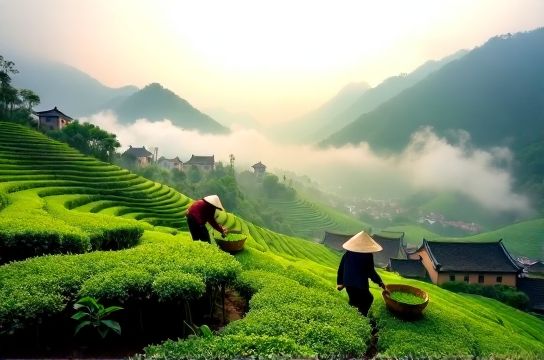
But Hangzhou isn’t just about pretty views. It’s where tradition meets taste, and where you can roll up your sleeves and become part of the tea-making process—literally. From March to April, when the first flush of tea leaves sprouts, locals and tourists alike flock to Xihu (West Lake) Longjing Village to pluck, pan-fry, and sip some of China’s most prized green tea.
Why Hangzhou? The Heart of Chinese Tea Culture
Hangzhou has been synonymous with fine tea since the Song Dynasty (960–1279). Today, Xihu Longjing remains one of China’s Ten Famous Teas, known for its flat, jade-green leaves and delicate chestnut-like aroma. What makes it special? A perfect trifecta: climate, soil, and craftsmanship.
- Altitude: 100–400 meters above sea level
- Annual Rainfall: ~1,500 mm
- Harvest Window: Late March to early April (pre-Qing Ming tea is most valuable)
Top Tea Plantations to Visit
Not all tea fields are created equal. Here are three must-visit spots:
| Plantation | Location | Specialty | Entry Fee (CNY) |
|---|---|---|---|
| Longjing Village | West of West Lake | Authentic hand-picked Longjing | Free (tea experience ~80) |
| Meijiawu Tea Village | Southwest Hangzhou | Organic cultivation, cultural shows | 60 |
| Yunqi Bamboo Path Area | Near Lingyin Temple | Scenic trails + tea houses | Free |
Pluck, Pan-Fry, Sip: Your DIY Tea Experience
The real magic? Doing it yourself. For around 80 RMB, you can spend a few hours harvesting the tender two-leaf-and-a-bud shoots under the guidance of local farmers. Then, watch as your harvest is tossed in giant woks heated to 80°C—yes, that’s hot enough to singe your eyebrows if you get too close.
Fun fact: It takes about 45,000 individual leaves to produce just one kilogram of premium Longjing tea. No wonder a single gram feels like liquid gold.
Tea Tasting Tips Like a Pro
Don’t just drink it—savor it. Here’s how to appreciate true Longjing:
- Use glassware: Watch the leaves dance as they unfurl.
- Water temp: 75–80°C (boiling water burns the delicate leaves).
- Steep time: 2–3 minutes. First infusion is light; third is often richest.
And yes, the price tag can sting—authentic pre-Qing Ming Longjing can go for 3,000–10,000 RMB per kilo. But fakes abound. Look for official地理标志 (geographical indication) labels and buy directly from reputable farms.
Final Sip
Hangzhou’s tea plantations offer more than just a photo op. They’re living classrooms where every leaf tells a story of patience, precision, and pride. Whether you're sipping quietly by a pagoda or sweating over a sizzling wok, you’re not just drinking tea—you’re becoming part of its legacy.
So next time you crave something authentic, skip the tourist traps. Head to the hills. Roll up your sleeves. And let Hangzhou brew you a memory, one leaf at a time.