
China's UNESCO Treasures: A Journey Across Millennia of Civilization
- Date:
- Views:211
- Source:The Silk Road Echo
Think China, and your mind probably jumps to pandas, dim sum, or maybe the Great Wall. But let’s go deeper—way deeper. Beyond the postcards and pop culture, China is a living museum of human history, home to 57 UNESCO World Heritage Sites—the second most in the world, just behind Italy. From ancient palaces to mystical mountains, these treasures aren’t just tourist spots; they’re time machines.
Why China’s UNESCO Sites Are a Must-See
These sites represent over 3,000 years of continuous civilization. Whether you're into architecture, spirituality, or straight-up jaw-dropping landscapes, there’s something here that’ll make your inner history nerd scream with joy.
Let’s break down some of the absolute standouts—with real data to back up the hype.
Top 5 Must-Visit UNESCO Sites in China
| Site | Year Inscribed | Type | Location | Visitor Count (Annual) |
|---|---|---|---|---|
| The Great Wall | 1987 | Cultural | Northern China | ~10 million |
| Forbidden City | 1987 | Cultural | Beijing | ~17 million |
| Temple of Heaven | 1998 | Cultural | Beijing | ~12 million |
| Zhangjiajie National Forest Park | 1992 | Natural | Hunan | ~8 million |
| Mount Emei & Leshan Giant Buddha | 1996 | Mixed (Cultural + Natural) | Sichuan | ~6 million |
The Heavy Hitters: Culture Meets Majesty
The Forbidden City isn’t just a palace—it’s a city within a city. With 980 surviving buildings and nearly 200,000 artifacts on display, it was home to 24 emperors across the Ming and Qing dynasties. Pro tip: Visit at sunrise. When the morning light hits the golden roofs? Pure magic.
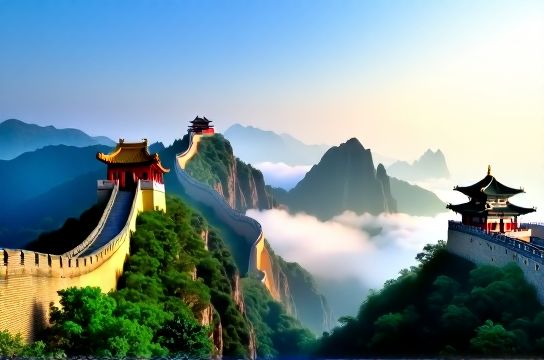
And then there’s the Great Wall. Yes, you’ve seen photos. But walking along the unrestored Jiankou section, where the wall snakes over wild ridges like a stone dragon? That’s the stuff of legends. Despite myths, you can’t see it from space—but you *can* feel its weight in history.
Nature’s Masterpieces
If your soul craves serenity, head to Mount Emei. One of China’s Four Sacred Buddhist Mountains, it’s packed with temples, misty forests, and—oh yeah—that 71-meter-tall Leshan Giant Buddha, carved straight into a cliff face during the 8th century. It’s the largest stone Buddha in the world. No filters needed.
Or get lost in the alien spires of Zhangjiajie. These quartzite sandstone pillars inspired the floating Hallelujah Mountains in *Avatar*. Ride the Bailong Elevator—the world’s tallest outdoor lift—and gaze out over a sea of clouds.
Final Thoughts
China’s UNESCO sites aren’t just checkmarks on a bucket list. They’re gateways into a civilization that shaped philosophy, art, and governance for millennia. Whether you're wandering imperial halls or hiking sacred peaks, you’re not just traveling—you’re time-traveling.
So pack your curiosity (and comfy shoes). The past is waiting.