
and Time-Honored Traditions
- Date:
- Views:234
- Source:The Silk Road Echo
If you're dreaming of cherry blossoms, snow-covered temples, and festivals that feel like stepping into a living history book — welcome to Japan. This island nation isn’t just about cutting-edge tech and neon cities; it’s a place where seasons shape life and ancient customs are celebrated with soulful precision.
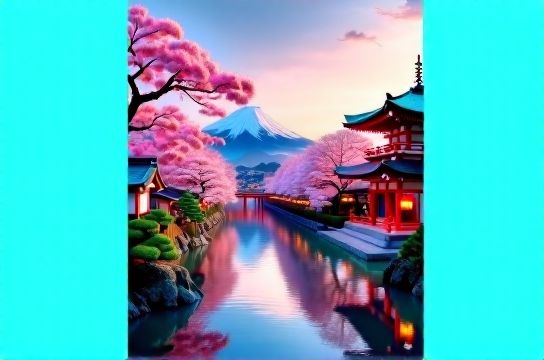
The Rhythm of the Year: Japan by Season
Japan experiences four distinct seasons, each bringing its own beauty and traditions. Locals don’t just notice the weather — they celebrate it. From hanami (cherry blossom viewing) in spring to illuminations in winter, every month has something magical.
| Season | Months | Highlight Event | Temperature Range |
|---|---|---|---|
| Spring | March–May | Cherry Blossom Festivals | 10°C – 20°C (50°F – 68°F) |
| Summer | June–August | Gion Matsuri (Kyoto) | 25°C – 35°C (77°F – 95°F) |
| Autumn | September–November | Koyo (Foliage Viewing) | 15°C – 25°C (59°F – 77°F) |
| Winter | December–February | Sapporo Snow Festival | -5°C – 10°C (23°F – 50°F) |
Pro tip? Visit during "shoulder seasons" — late March to early April or October to November. You’ll dodge crowds, score better prices, and catch nature at its most photogenic.
Time-Honored Traditions That Still Thrive
You haven’t truly experienced Japan until you’ve taken part in its cultural heartbeat. These aren’t museum pieces — they’re alive, practiced with pride.
- Tea Ceremony (Sadō): More than just drinking matcha, it’s a meditative art form rooted in Zen. Every gesture has meaning.
- Matsuri (Festivals): Think portable shrines, taiko drums, and yamabushi (mountain monks) chanting through narrow streets. Don’t miss Nebuta in Aomori — giant illuminated floats that look like they’ve escaped a dream.
- New Year (Shōgatsu): The biggest holiday in Japan. Families eat osechi-ryōri (special layered meals), visit shrines, and send nengajō (New Year cards). Over 3 million people visit Meiji Shrine annually during hatsumode (first prayer of the year).
Why Tradition Matters Here
In Japan, tradition isn’t about clinging to the past — it’s about mindfulness, respect, and community. Even in Tokyo’s skyscrapers, you’ll see salarymen bowing politely or families folding origami for good luck.
And let’s be real — there’s something deeply refreshing about a culture that celebrates the quiet moments: watching maple leaves fall, writing haiku under moonlight, or sharing mochi made fresh with neighbors.
So whether you're sipping sake beneath sakura trees or joining a winter lantern festival, remember: you’re not just touring Japan. You’re stepping into a rhythm centuries in the making.